

Istanbul is not a city you understand at a glance. It’s a place shaped by empires, faiths, and centuries of reinvention — where every skyline view and stone wall carries a story. To truly grasp its character, you don’t just visit monuments; you read them. These five iconic buildings offer a powerful way to understand Istanbul’s journey through time, revealing how the city evolved from Byzantine Constantinople to Ottoman capital and into the vibrant metropolis it is today.
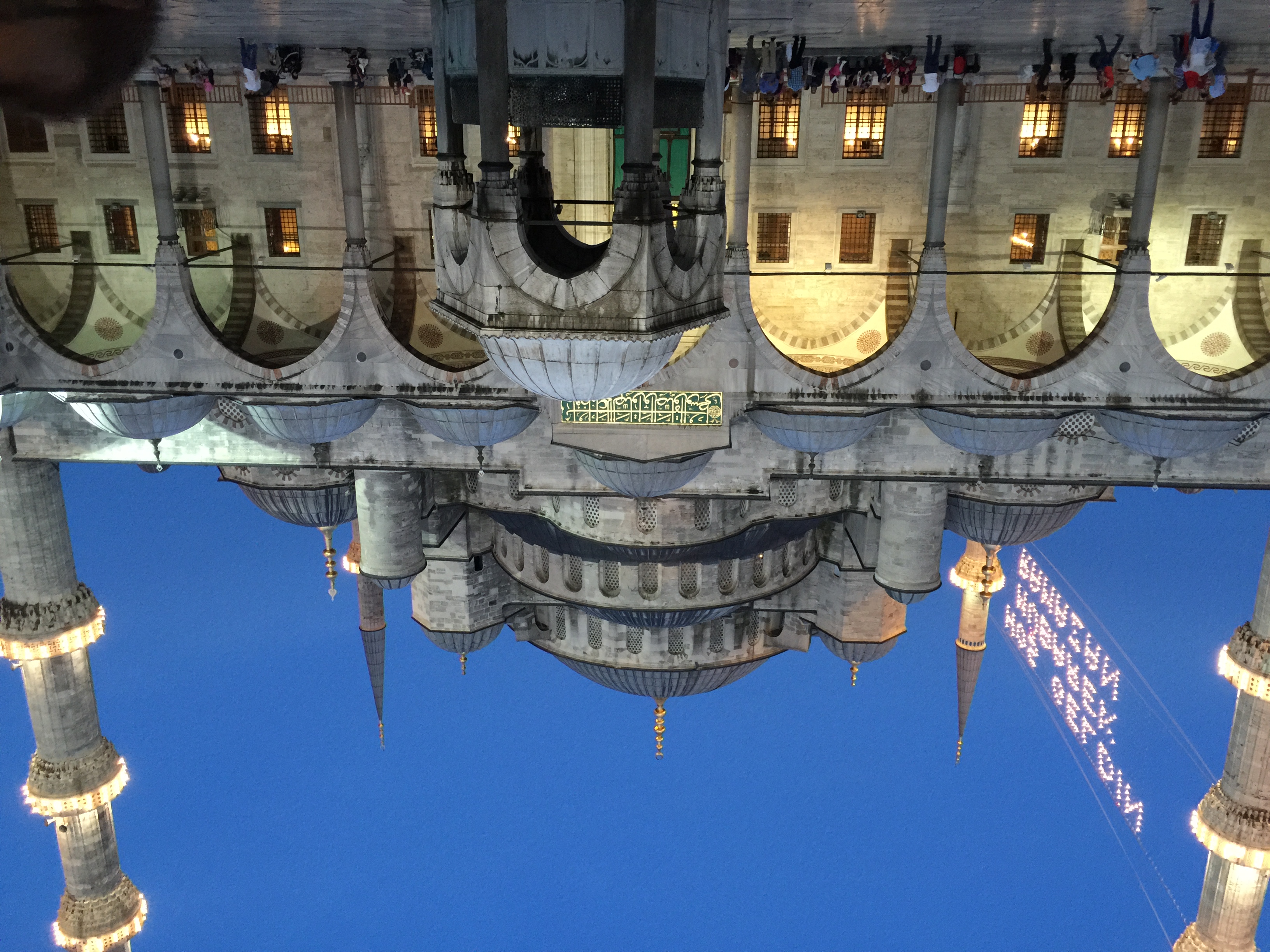
1. Hagia Sophia – A Monument of Transformation
Few iconic buildings in the world have lived as many lives as Hagia Sophia. Built in the 6th century as a Byzantine cathedral, it was once the largest church on earth and a symbol of Christian Constantinople. After the Ottoman conquest in 1453, it became an imperial mosque, later a museum, and today functions again as a mosque.
Step inside and you’ll see layers of history coexist — glittering mosaics beside Islamic calligraphy, massive marble columns supporting a dome that still feels impossibly light. Hagia Sophia tells the story of Istanbul as a crossroads of cultures and beliefs, where change did not erase the past, but built upon it.
What it reveals: The city’s ability to adapt while preserving its soul.
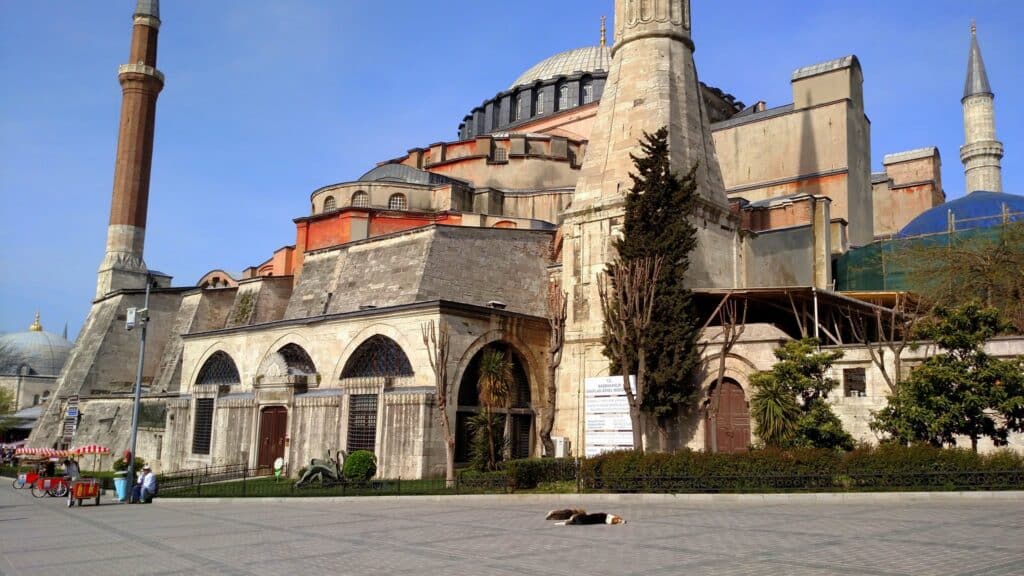
2. The Blue Mosque – The Ottoman Empire at Its Height
Directly facing Hagia Sophia across Sultanahmet Square, the Blue Mosque represents a confident Ottoman Empire asserting its place in history. Completed in the early 17th century, it was designed to rival the grandeur of its Byzantine neighbor — and succeeded in creating a masterpiece of harmony and elegance.
Inside, light pours through hundreds of windows, illuminating hand-painted Iznik tiles that give the mosque its popular name. Still an active place of worship, the Blue Mosque shows how faith, art, and imperial ambition shaped Istanbul’s skyline.
What it reveals: Ottoman power expressed through beauty, balance, and devotion.
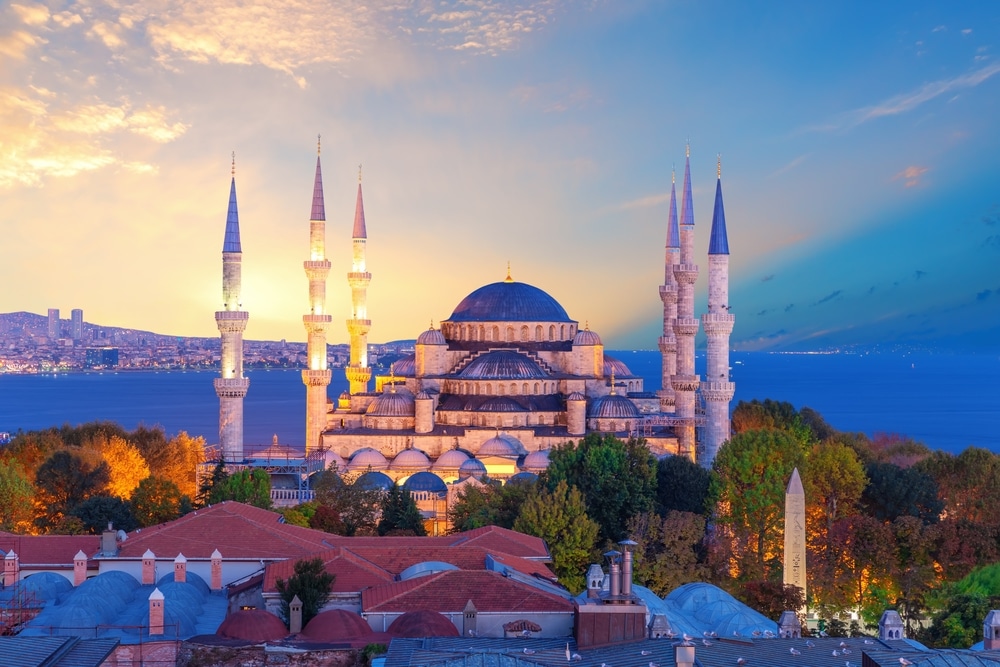
3. Topkapi Palace – Power Behind Palace Walls
For nearly 400 years, Topkapi Palace was the heart of the Ottoman Empire. From here, sultans ruled vast territories stretching across three continents. Yet unlike European palaces built for display, Topkapi feels inward-looking — a series of courtyards, pavilions, and private chambers overlooking the Bosphorus.
Walking through the palace offers insight into how power was exercised, protected, and ritualized. From the Imperial Council chambers to the secluded Harem, Topkapi reveals a world of ceremony, intrigue, and daily life at the center of empire.
What it reveals: How Istanbul functioned as a global seat of power.
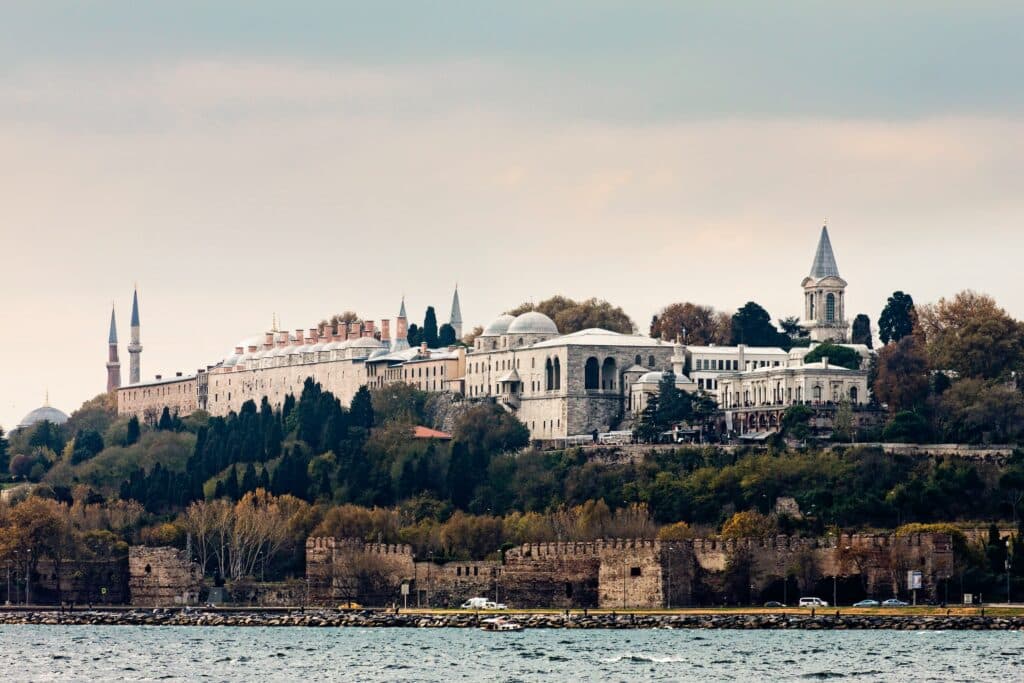
4. Basilica Cistern – The City Beneath the City
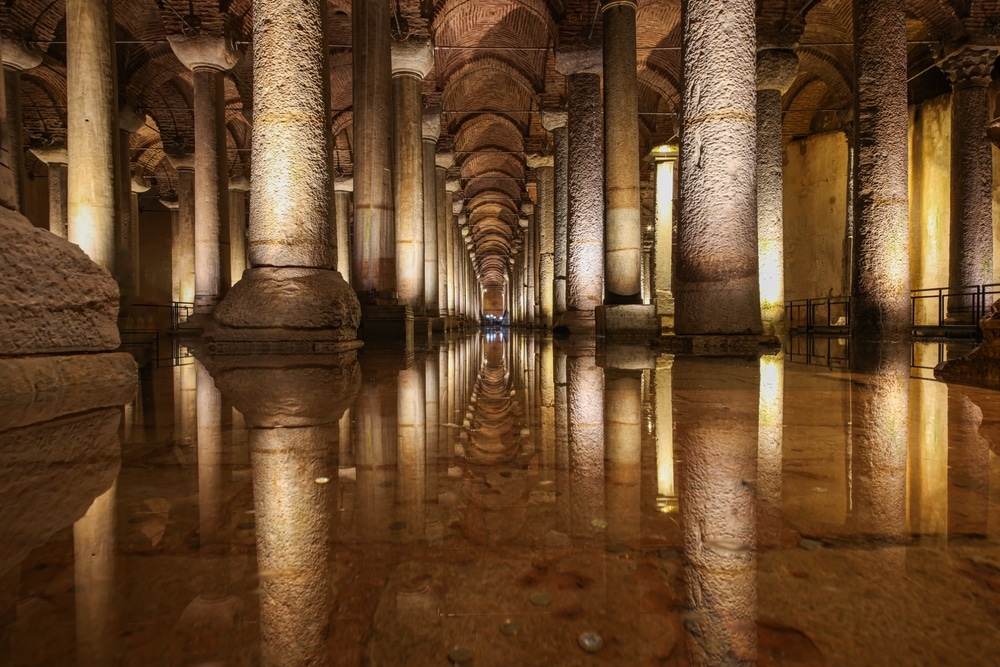
Hidden just beneath Istanbul’s busy streets lies a reminder that greatness depends on more than what’s visible above ground. The Basilica Cistern, built in the 6th century, once stored water for the Great Palace and surrounding districts of Constantinople.
With its forest of columns, soft reflections, and mysterious Medusa heads, the cistern feels almost otherworldly. Yet it represents practical genius — advanced engineering that allowed the city to survive sieges, droughts, and centuries of growth.
What it reveals: The ingenuity that sustained ancient Constantinople.
5. Galata Tower – Watching the City Change
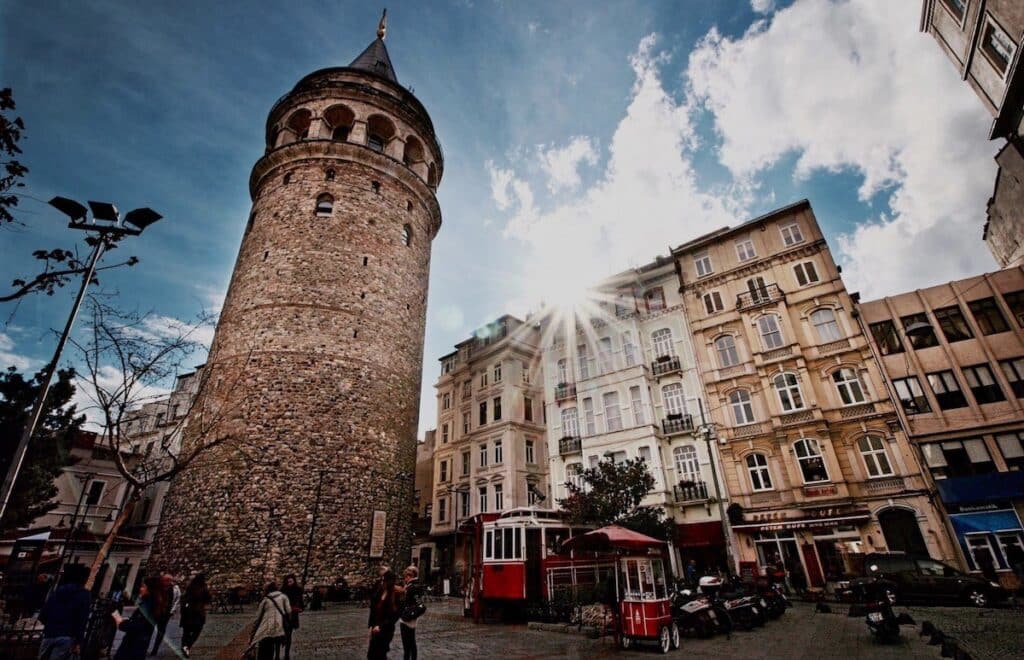
Rising above the Golden Horn, our last iconic building in Istanbul – Galata Tower, tells a different side of Istanbul’s story. Originally built by the Genoese in the medieval period, it reflects the city’s long history as a trading hub connecting East and West.
From its panoramic viewpoint, you can trace Istanbul’s transformation — historic peninsulas, modern neighborhoods, waterways that carried merchants, armies, and ideas. Galata Tower reminds visitors that Istanbul has always been outward-looking, shaped by movement, exchange, and diversity.
What it reveals: A city defined by connection and constant change.
A City Written in Stone
Together, these five iconic buildings form a living narrative. They show Istanbul not as a frozen museum of the past, but as a city shaped by adaptation, ambition, and coexistence. Each structure adds a chapter, and when experienced together, they reveal why Istanbul remains one of the most fascinating cities in the world.
For travelers who want more than photos — who want context, stories, and a deeper understanding — exploring these landmarks with a knowledgeable local guide can transform a visit into something truly unforgettable.