
There’s a moment, if you wander far enough off the usual tourist paths in Florence, when the air shifts and the cadence of daily life reveals itself in moments that feel timeless yet immediate. In Piazza Lorenzo Ghiberti, just east of the Duomo, the vibrant hum of bartering, greetings, and laughter spills from fresh produce stalls and butchers’ counters – and that’s where you’ll find the Sant’Ambrogio Market, a place that has nourished Florentines for generations.
Unlike the more famous Mercato Centrale, this market isn’t about showmanship or grand food halls designed for sightseeing. Rather, here you’ll discover a market rooted in everyday Tuscan life: the place where neighbors pick their morning basil, compare olive oil, and sip espresso before heading to work. The result is something more than a shopping stop – it’s rather a cultural immersion into authentic Florence.
A Living Piece of Florentine History
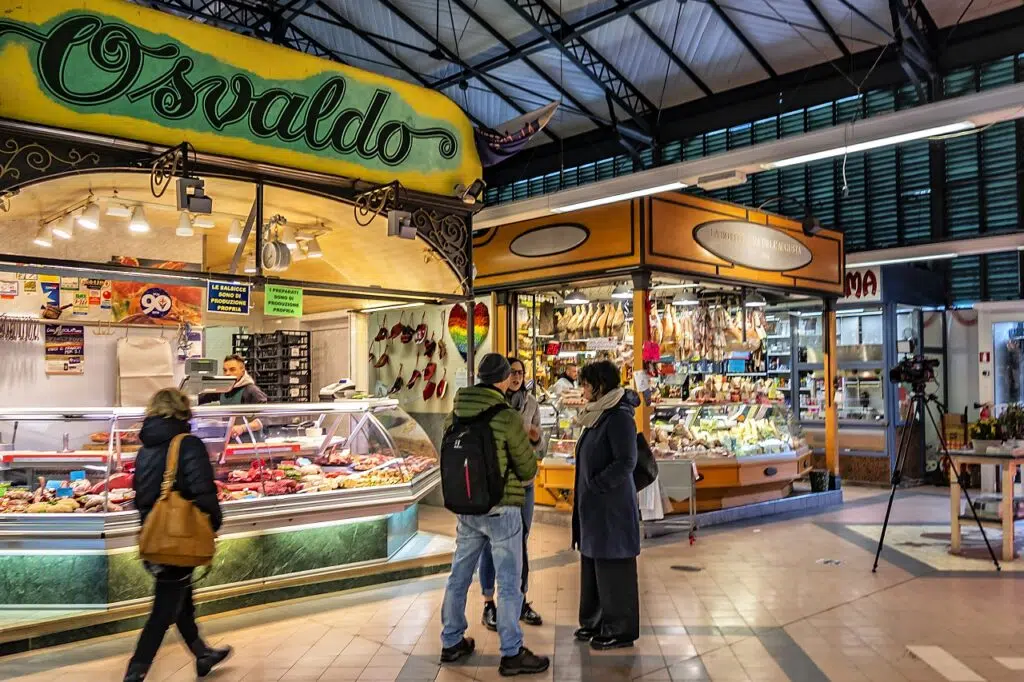
The building that houses Sant’Ambrogio Market dates back to 1873, making it one of the oldest covered food markets still operating in the city. Constructed during a period when Florence briefly served as Italy’s capital, the market was part of a 19th-century wave of modernization across the city. Its iron-framed structure, ventilated corridors, and lively atmosphere reflect the architectural spirit of its time, inspired by grand European markets such as Paris’s Les Halles.
What’s remarkable isn’t just the age of the market, but how little its purpose has changed. This is where local butchers, fishmongers, cheesemongers, and farmers still set up their stalls, passing down traditions and relationships with regular customers as though in conversation with history itself. In strolling these aisles, you’re stepping into a rhythm of life that the Florentines guard with pride.
Unlike the more famous Mercato Centrale, Sant’Ambrogio Market belongs to locals first. Florentine nonnas still inspect tomatoes here. Chefs arrive early for the best cuts of meat. Students stop by for affordable lunches between classes.
The building itself is a quiet beauty – iron-framed, airy, practical. Sunlight filters through high windows onto pyramids of artichokes, crates of clementines, and wheels of pecorino stacked like edible sculpture. There is no theatrical staging here. What you see is what Florence eats.
What’s Inside The Sant’Ambrogio Market?
You could spend hours weaving among the vendors at Sant’Ambrogio Market and still find something new with every sweep of your gaze:
- Fresh Produce: Seasonal fruits and vegetables, often sourced right from the Tuscan hills, sit piled high in vibrant color and fragrance. There’s a reason locals come early.
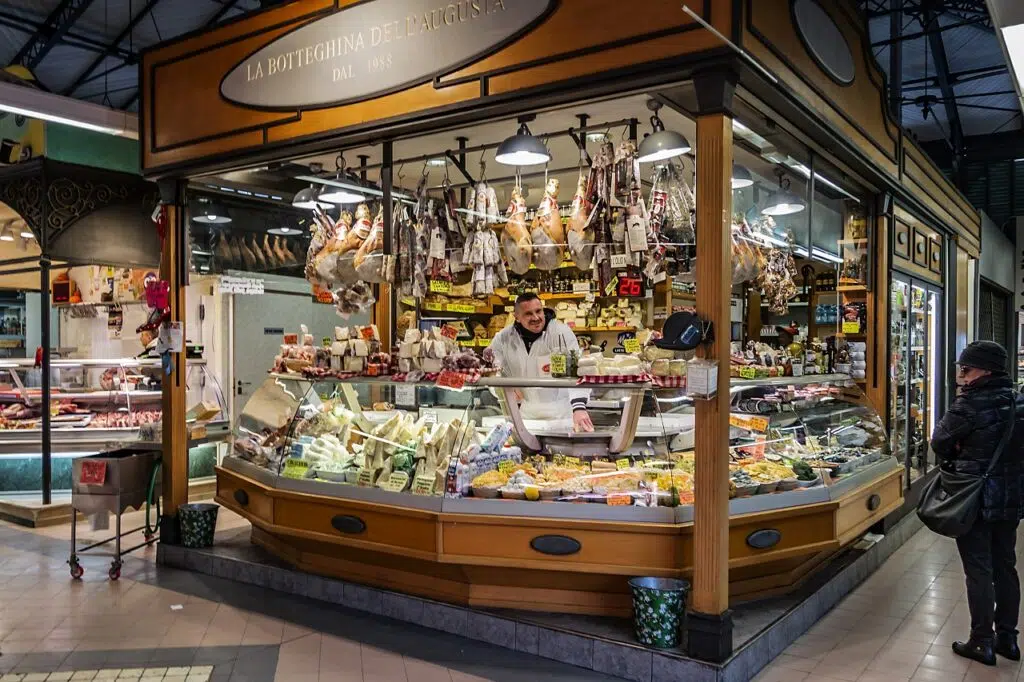
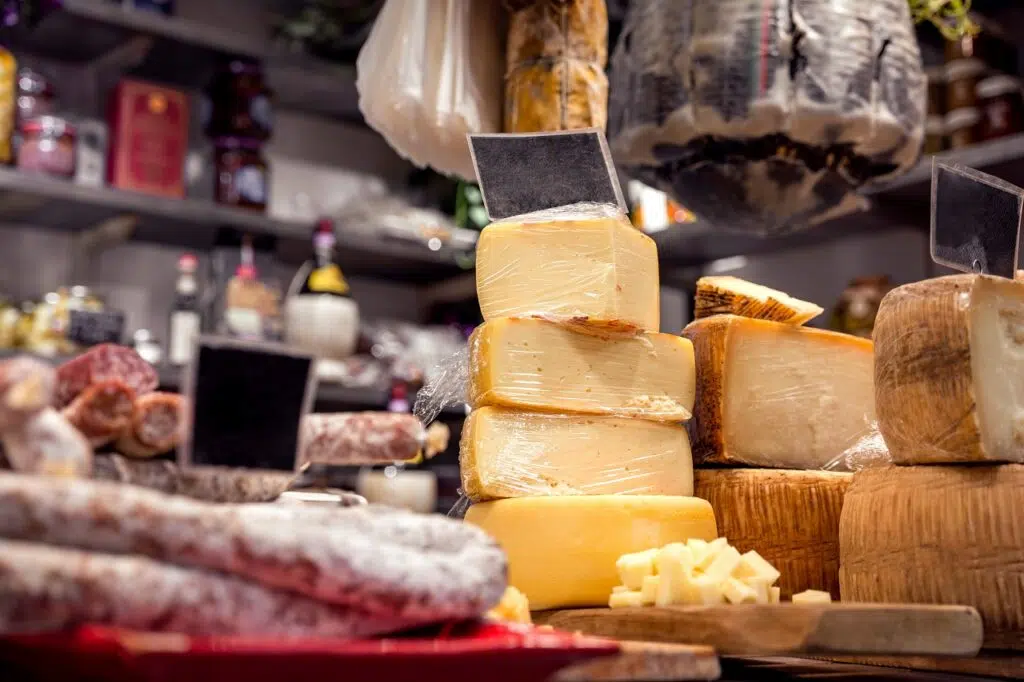
- Artisanal Cheeses & Meats: Tuscan pecorino, fragrant salumi, and cuts of meat that would satisfy even a home cook.
- Fish & Seafood: From salt-sprinkled delights to the catch of the day, the fishmongers here proudly display their offerings at dawn.
- Bakery Goodies: Fresh focaccia, crispy breads, and morning pastries ready to accompany a steaming cappuccino.
- Household Finds: Around the market’s edges, you’ll also notice clothing stalls, casual leather goods, and everyday homeware – selling the kinds of goods that Florentines pick up on their way home.
Whether you’re stopping by with a list or meandering without a plan, the colorful displays and easy warmth of this market make every discovery feel personal.
What Local Foods Should We Try?
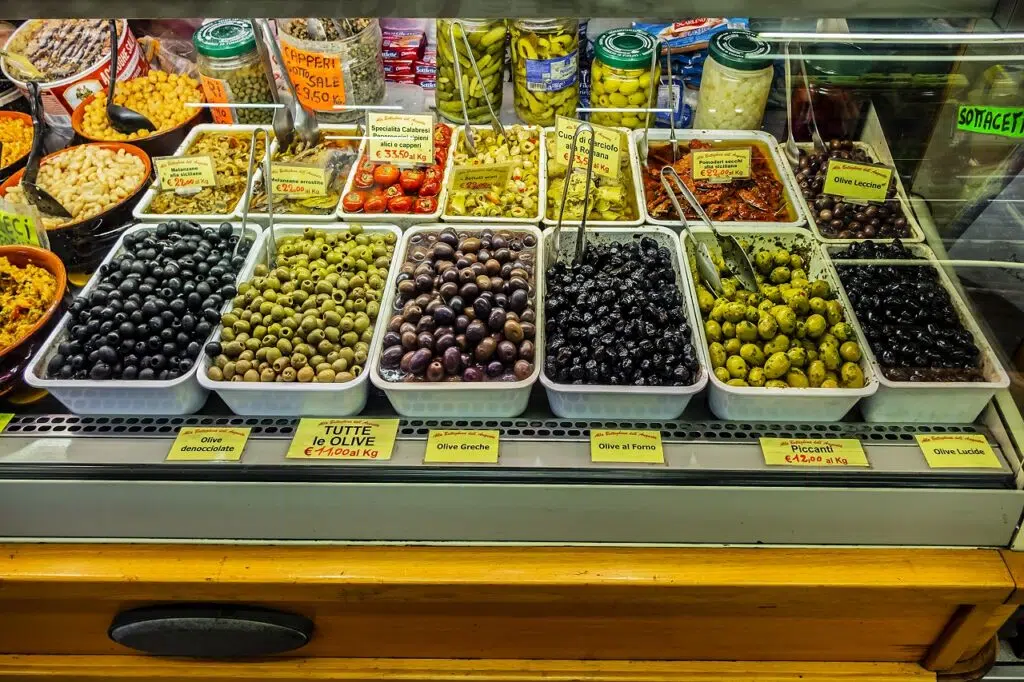
One of the true pleasures of visiting Sant’Ambrogio Market is tasting your way through its food offerings. Stop for lunch or a quick bite – Florence does casual meals beautifully:
- Trattoria da Rocco: A legendary spot tucked inside the market where you can sit down to traditional Tuscan dishes — think ribollita, pasta, and hearty soups served with seasoned flair.
- Campanelle Coffee Break: If you just need a morning espresso or creamy cappuccino with a cornetto, one of the cafés tucked among the stalls will make your break delicious.
- Lampredotto Sandwiches: Not for the faint of heart but beloved by locals, these traditional tripe sandwiches are an adventurous bite that truly say “Florence.”
- Wine & Cheese Stops: Many vendors here offer small glasses of Tuscan wine paired with artisanal cheese — perfect for lingering and watching market life unfold.
Eating here isn’t just about fueling up; it’s about joining the rhythm of the neighborhood. At Sant’Ambrogio Market, lunch unfolds the way it has for generations – with workers lingering over plates of ribollita, vendors stepping out for a quick espresso, and neighbors debating the ripeness of tomatoes as if it were a civic duty.
You might find yourself perched at a communal table inside the market’s historic 19th-century iron structure, where the scent of simmering ragù mingles with the briny freshness of the morning’s catch. Orders are called out in rapid Italian, wine is poured without ceremony, and recipes passed down through families quietly define the menu of the day.
Practical Tips For Your Journey
To enjoy Sant’Ambrogio Market at its fullest, here’s what we recommend:
Timing Your Visit
- Early Morning: Come around opening time: typically 7:00 AM to 2:00 PM, Monday through Saturday – if you want the market at full bustle.
- Late Morning: By noon, many locals finish their shopping and the market settles into a more relaxed pace, perfect for savoring a leisurely lunch and wandering without pace.
Traveler Tips
- Bring Cash: Some vendors operate on a cash-only basis.
- Bring a Tote or Backpack: If you plan to pick up produce or goods, having a bag makes carrying your treasures easier.
- Practice Simple Italian Greetings: A friendly “Buongiorno!” with a smile goes a long way.
- Savor Slowly: This isn’t a hurried attraction — it’s a living scene. Take time to talk with vendors, ask about their products, and soak up the ambiance.
Beyond the Stalls: Exploring Sant’Ambrogio Neighborhood
Sant’Ambrogio Market sits in one of Florence’s most genuine quarters — a district that historically lay just outside the medieval city walls. For centuries, this area housed artisans, laborers, and working families. It was less aristocratic than neighborhoods closer to the Duomo, and more grounded in practical life.
A few steps from the market stands the Church of Sant’Ambrogio, dating back to at least the 10th century. It’s simple compared to Florence’s grand basilicas, yet deeply atmospheric. Step inside and you’ll find quiet frescoes and the kind of stillness that feels personal rather than monumental. It’s a reminder that Florence’s spiritual and daily lives have always intertwined.
Wander further and you’ll notice how the streets change character. Independent wine bars spill onto sidewalks in the evenings. Artisan workshops hum softly behind half-open doors. The graffiti feels political, modern – a sign that this neighborhood evolves while the historic center sometimes feels preserved.
Come in the morning and you’ll see real routines unfold – deliveries, greetings, quick espressos taken standing at the counter. Return in the evening and the piazza transforms. Locals gather for aperitivo. Children play soccer in open spaces. Conversations stretch long into twilight.
Few areas in Florence allow you to see both sides of the city’s personality so clearly.
A Market That Feels Like a Homecoming
There’s a reason the Sant’Ambrogio Market isn’t just another item on a Florence itinerary. Here, where the language is Italian first and foremost and the goods are chosen with daily life in mind, the city reveals its heartbeat. You don’t simply visit this market – you live a chapter of your travel story here.
Whether you’re browsing for the ripest peaches, sharing a seat at a trattoria table, or simply lingering over a glass of Tuscan wine in the morning sun, Sant’Ambrogio Market invites travelers to step inside the authentic rhythms of Florentine life.
Want to experience Sant’Ambrogio Market the way locals do? Starting March 1st, our Private Sant’Ambrogio Market Tasting Experience invites you behind the stalls to meet trusted vendors, taste seasonal specialties, and uncover the stories that shape Florence’s food culture. Join us for an intimate, flavor-filled morning – and reserve your private tour right here!
If you want a taste of local Florence beyond museums – where food and culture mingle in laughter, chatter, and the clink of espresso cups – this market is a must. Your journey through Florence is richer for having walked its aisles.