
If you really want to understand a city, wake up early and go to its market. Before the museums open and before the tour groups gather in the main squares, something far more authentic is already happening. Vendors are arranging peaches into perfect pyramids. Fishermen are unloading the morning’s catch. Elderly locals are debating the ripeness of tomatoes. The air smells like bread, citrus, and espresso. This is where Europe breathes. Across Italy and beyond, local European markets are not attractions created for visitors – they are daily rituals. They are where grandmothers shop, chefs hunt for ingredients, and neighbors exchange news. For travelers, they offer something priceless: a glimpse into real life. Here are six unforgettable markets that deserve a place on your itinerary.
San Lorenzo Central Market (Mercato Centrale), Florence
There is something almost theatrical about the first step into San Lorenzo Central Market, known locally as Mercato Centrale.
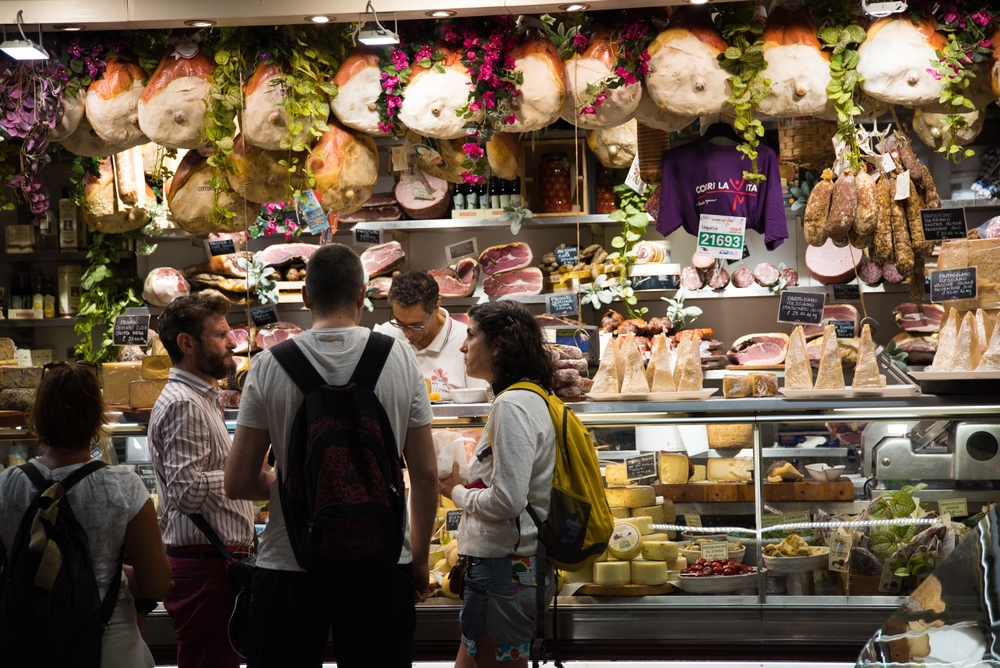
Housed inside a 19th-century iron-and-glass structure just steps from Florence’s Duomo, the market hums with energy from early morning. Downstairs feels traditional and wonderfully chaotic — butchers calling out to customers, wheels of pecorino stacked high, prosciutto hanging like edible art installations.
You might stop at a stall selling golden olive oil from the Tuscan countryside. Or taste balsamic vinegar so rich it feels like syrup. There are baskets of porcini mushrooms in autumn, bright artichokes in spring, and tomatoes so red they look painted.
Upstairs, the space transforms into a contemporary food hall, where chefs reinterpret Tuscan classics. Fresh pasta is rolled and cut in front of you. Pizza slides into wood-fired ovens. You’ll hear multiple languages, see long communal tables, and notice how locals and travelers sit side by side.
If you visit early – ideally between 9:00 and 11:00 a.m. – you’ll catch the market at its most authentic. Come hungry. And if you’re feeling adventurous, try lampredotto, Florence’s famous tripe sandwich. It may not sound glamorous, but it’s a true Florentine experience.
Among local European markets, Mercato Centrale is where tradition meets modern gastronomy in the most delicious way possible.
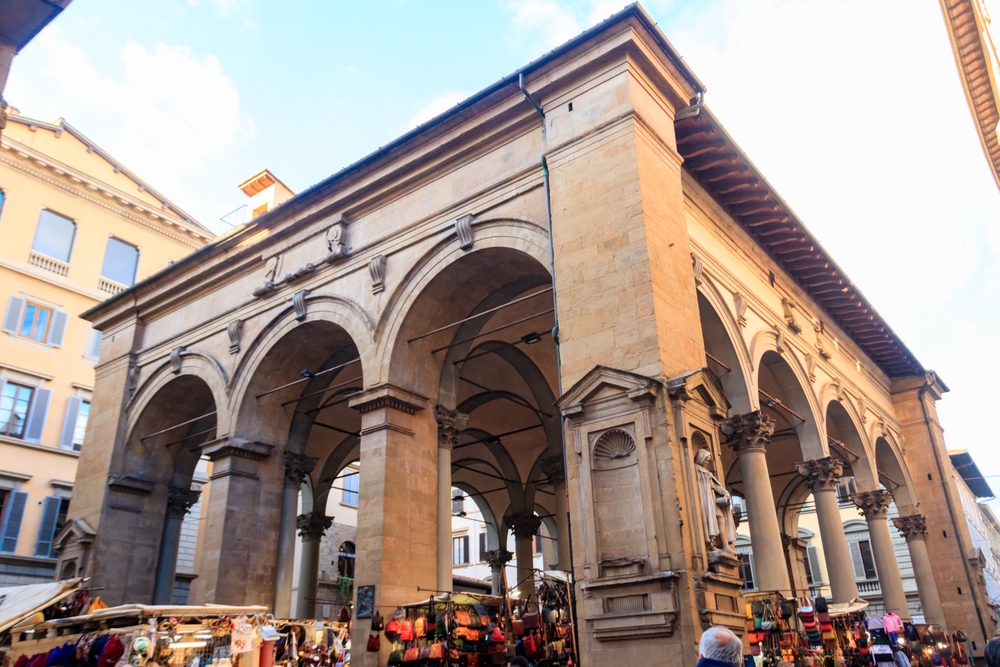
Santo Spirito Market, Oltrarno, Florence
Cross the Arno River and Florence changes. The Oltrarno neighborhood feels quieter, more lived-in, more local. In the heart of Piazza Santo Spirito, the Santo Spirito Market unfolds with a relaxed rhythm that feels worlds away from the busy historic center.
This is where Florentines shop for their weekly produce. You’ll see locals inspecting zucchinis, greeting vendors by name, and debating which olive oil to buy. The market spills gently across the square, framed by the Renaissance façade of Santo Spirito church.
It’s not just about food. On certain days you’ll find handmade leather goods, vintage treasures, and small artisan crafts. There’s an intimacy here — a sense that you’ve stumbled into something genuine.
After wandering the stalls, settle into a trattoria on the square. Order a plate of pasta and watch the market slowly wind down. It’s one of those small travel moments that feels unscripted and perfect. If you’re searching for authenticity among local European markets, Santo Spirito offers it effortlessly.
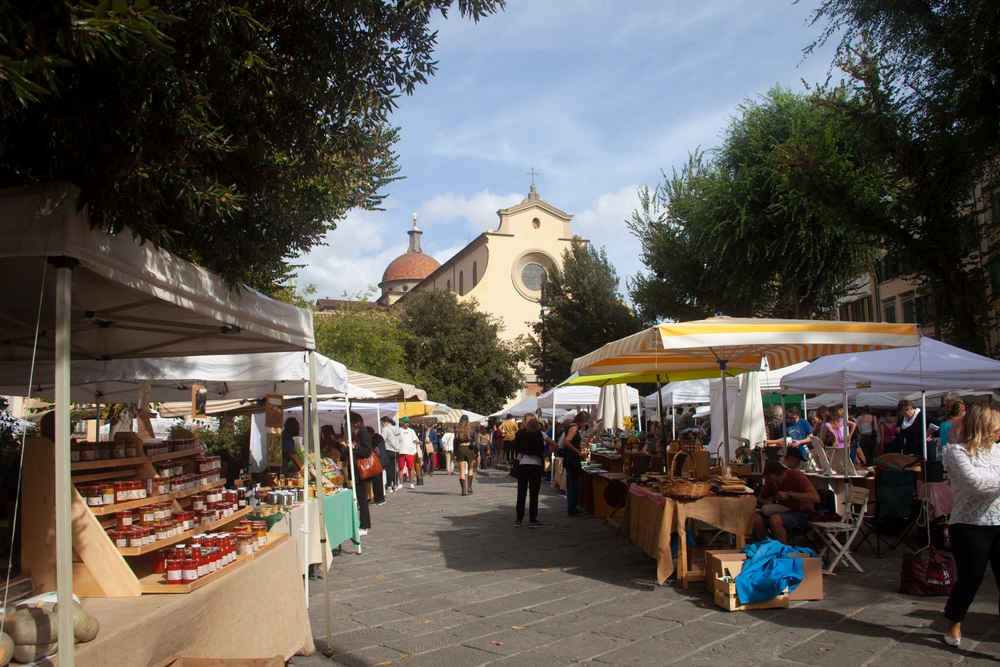
Rialto Fruit and Vegetable Market, Venice
Venice may feel dreamlike, but the Rialto Market is refreshingly real. Just beside the iconic Rialto Bridge, the fruit and vegetable section bursts with color each morning. For over a thousand years, Venetians have been coming here to shop. That continuity alone is astonishing.
Stalls overflow with vibrant produce – glossy eggplants, ruby-red radicchio, citrus from Sicily, and herbs bundled with string. The market sits along the Grand Canal, so you may see deliveries arriving by boat, just as they have for centuries. There is something deeply Venetian about this scene. No cars, no trucks – only water, stone, and voices echoing beneath market awnings.
Arrive early if you want to see it at its best. By midday, many vendors begin to pack up. The light in the morning makes everything glow, and photographers will find endless inspiration in the textures and colors. Among local European markets, Rialto stands out for its history – and for the way it continues to serve everyday Venetian life.
Rialto Fish Market, Venice
Just steps away from the produce stalls lies one of the most fascinating sights in Venice: the Rialto Fish Market. If you think you’ve seen seafood markets before, this one might surprise you. The selection reflects the Adriatic Sea in all its variety – silvery sardines, squid with iridescent skin, briny clams, and unfamiliar lagoon fish you may never have encountered.
The atmosphere is lively, loud, and unapologetically authentic. Fishmongers expertly clean and prepare the catch of the day while locals discuss recipes. Even if you have no intention of cooking, the experience is worth it. There’s something captivating about witnessing a city’s relationship with the sea in such a direct way.
Go early – ideally before 11:00 a.m. – when the display is at its freshest and most impressive. It’s not polished or curated for tourists. It’s simply real. And that’s exactly what makes it one of the most compelling local European markets to visit.
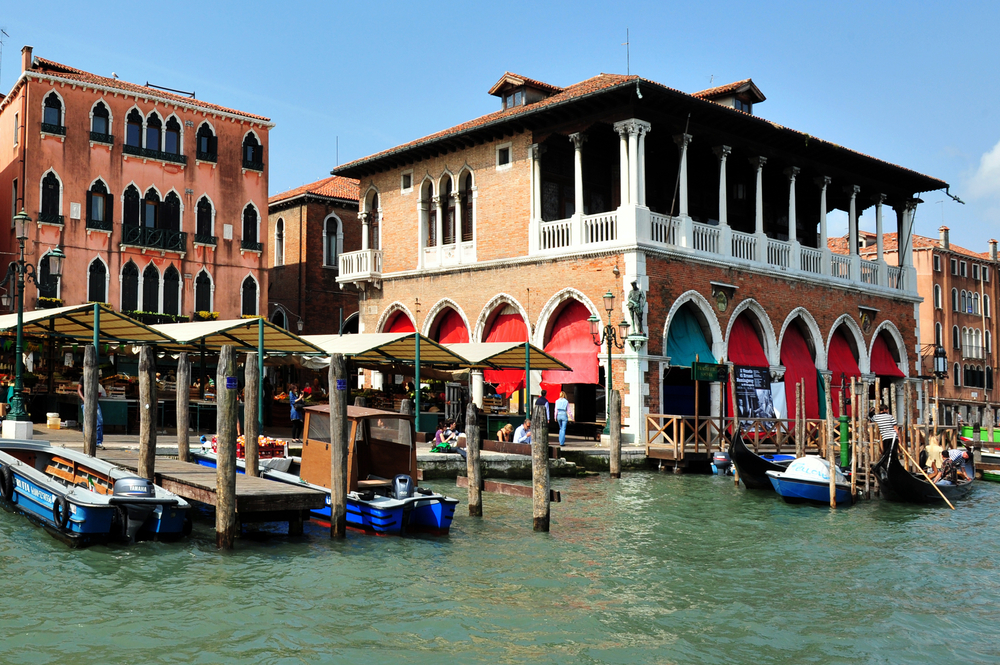
Burano Market, Burano Island
If Venice is romantic, Burano is pure joy. A short vaporetto ride takes you to this island of rainbow-colored houses and quiet canals. The Burano Market is smaller than Rialto, but what it lacks in size, it makes up for in charm.
Here, life moves slower. You’ll see elderly women chatting outside pastel homes, fishermen mending nets, and small stalls selling fresh fish or local produce. Burano is also famous for lace-making, and you may find delicate handmade pieces that reflect centuries of tradition.
The beauty of visiting a market here is the atmosphere. It feels intimate. Peaceful. Almost cinematic. Plan your visit carefully, as market days vary. But even if you simply encounter a handful of vendors in the main square, the experience adds depth to your island visit. In the world of local European markets, Burano offers something different: quiet authenticity wrapped in color.
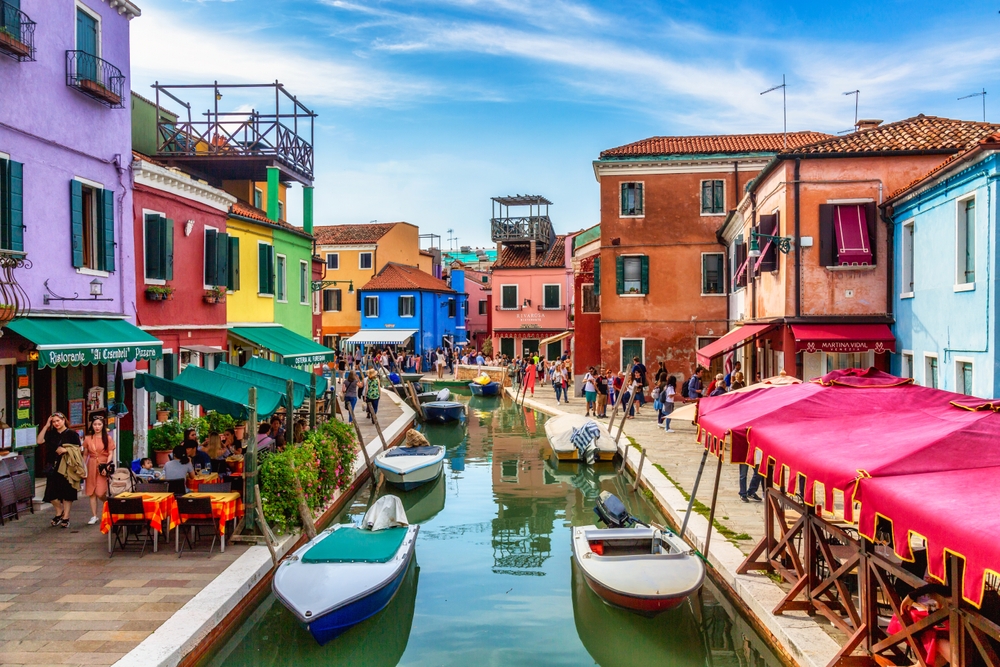
Mercato del Suffragio, Milan
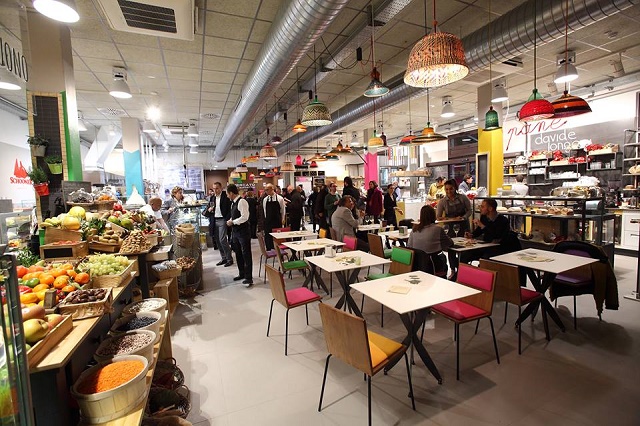
In a city known for high fashion, sleek design, and aperitivo culture, Mercato del Suffragio reveals a softer, more local side of Milan. Tucked into the Porta Vittoria neighborhood, this historic market hall feels worlds away from the polished storefronts of the Quadrilatero della Moda. Here, daily life unfolds at a gentler pace.
Step inside and you’ll find a mix of traditional vendors and contemporary food counters. Butchers and fishmongers serve regular customers who have been shopping here for years, while nearby stalls offer fresh pasta, seasonal vegetables, crusty bread, and regional cheeses. The atmosphere is relaxed and unmistakably Milanese — efficient, but warm. Neighbors exchange greetings, baristas prepare quick espressos, and shoppers discuss what’s best that day.
What makes Mercato del Suffragio special among local European markets is its balance of tradition and evolution. It remains a working market for residents, yet it has adapted to modern tastes with small gourmet spaces where you can stop for a casual lunch or an aperitivo. For travelers, it’s an opportunity to see Milan beyond its grand monuments — to experience the rhythms, flavors, and everyday rituals that truly define the city.
Why You Should Visit Local European Markets While Traveling
There’s a certain magic that happens at a market – and it’s not staged for visitors. In a world where so many travel experiences feel curated and polished, local European markets remain wonderfully unfiltered. They are not performances. They are daily life unfolding in real time. The rhythm of a city beats strongest here, between crates of tomatoes and baskets of bread.
When you visit a market, you’re stepping into a living tradition. Many of these spaces have existed for centuries. Generations of families have bought their fish from the same stall, their cheese from the same producer. Recipes passed down through time begin right here, at these counters.
Markets also awaken your senses in a way few other places can. The scent of basil and citrus mingles in the air. The sound of vendors calling out prices blends with casual neighborhood gossip. Colors seem brighter — artichokes dusted with earth, gleaming aubergines, silver-scaled fish laid carefully on ice. It’s immersive in the most natural way.
And then there’s the food. If you want to understand a destination, taste what locals cook at home. Markets reveal what’s in season, what’s traditional, what people actually eat. You may discover a cheese you’ve never heard of, a pastry you can’t pronounce, or a street-food specialty that becomes the highlight of your trip.
But perhaps the most valuable reason to explore local European markets is connection. Even brief interactions — a smile, a simple “buongiorno,” a shared laugh over your attempt at the language — create moments that feel genuine. These small exchanges stay with you long after you’ve left.
So wake up early one morning. Go before the crowds. Wander slowly without an agenda. Let yourself get curious. Because sometimes, the most authentic way to see Europe isn’t through a monument — it’s through a market stall.
Final Thoughts
The most memorable travel moments are often the simplest. Not the grand cathedrals or famous paintings – but the sound of a vendor laughing, the taste of a perfectly ripe peach, the sight of fish laid out on crushed ice beneath a Venetian archway.
Across Florence, Venice, Burano, and Rome, these local European markets invite you to step into everyday life. They remind us that culture isn’t only preserved in museums — it’s alive in food, in conversation, in daily exchange.
So on your next European adventure, set your alarm a little earlier. Skip the hotel breakfast. Follow the locals.
The market is waiting.