A Local’s Guide to Siena: What to See, Do, and Experience
Siena is one of those rare places that slows you down on purpose. The streets are narrow, the hills are steep, and the city has absolutely no interest in rushing you. Give it the time it asks for, and it gives back considerably more.
It’s one of the most searched destinations in Italy for good reason. People sense that Siena is different, and they’re right, they just don’t always know why until they’re standing in the Piazza del Campo at dusk, watching the city turn a beautiful shade of gold.
This guide is for the traveler who wants to go beyond the surface. Here’s what to know before you go, what most visitors miss, and how to make the most of every hour spent there.
Why Siena Stops You in Your Tracks
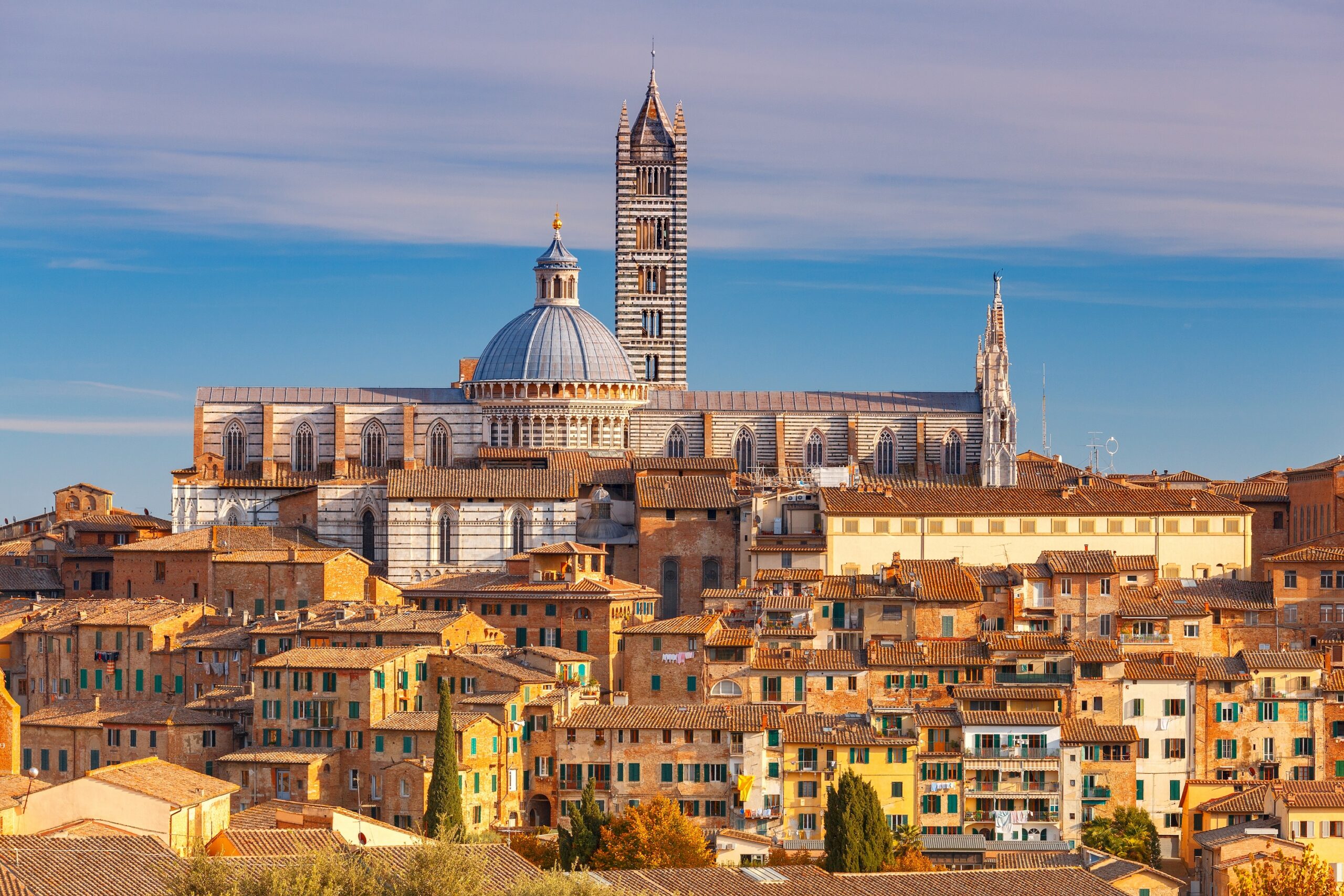
Medieval Italian cities are rarely this intact. Siena’s historic center has changed remarkably little since the 14th century, partly by design, partly by accident of history (Florence’s rise as a political power effectively froze Siena in time, which turned out to be a gift). The result is a city where the Gothic architecture isn’t a reconstruction or a heritage project. It’s the entire city.
Every walk involves a view. It’s a place that rewards wandering slowly but rewards it even more when you actually know what you’re looking at.
The Piazza del Campo (and What Most Visitors Miss)
This is Siena’s centerpiece, and rightly so. The shell-shaped piazza is one of the great public spaces in Europe, built in the 14th century, still the beating heart of the city today. Twice a year it becomes the setting for the Palio, Siena’s legendary horse race that’s been run since medieval times and remains, authentically, a fierce local competition rather than a tourist spectacle.
What most visitors miss: the piazza is divided into nine sections, representing the Council of Nine who governed Siena during its golden age. Look down at the pavement and you’ll see it. Look up at the Palazzo Pubblico and you’re looking at one of the finest examples of Italian Gothic civic architecture in existence. The Torre del Mangia beside it offers one of the best views in Tuscany if you’re willing to climb.
Go early morning before the tour groups arrive, or return after dinner when the piazza empties and takes on a completely different character.
The Duomo, a Cathedral That Rewards Attention
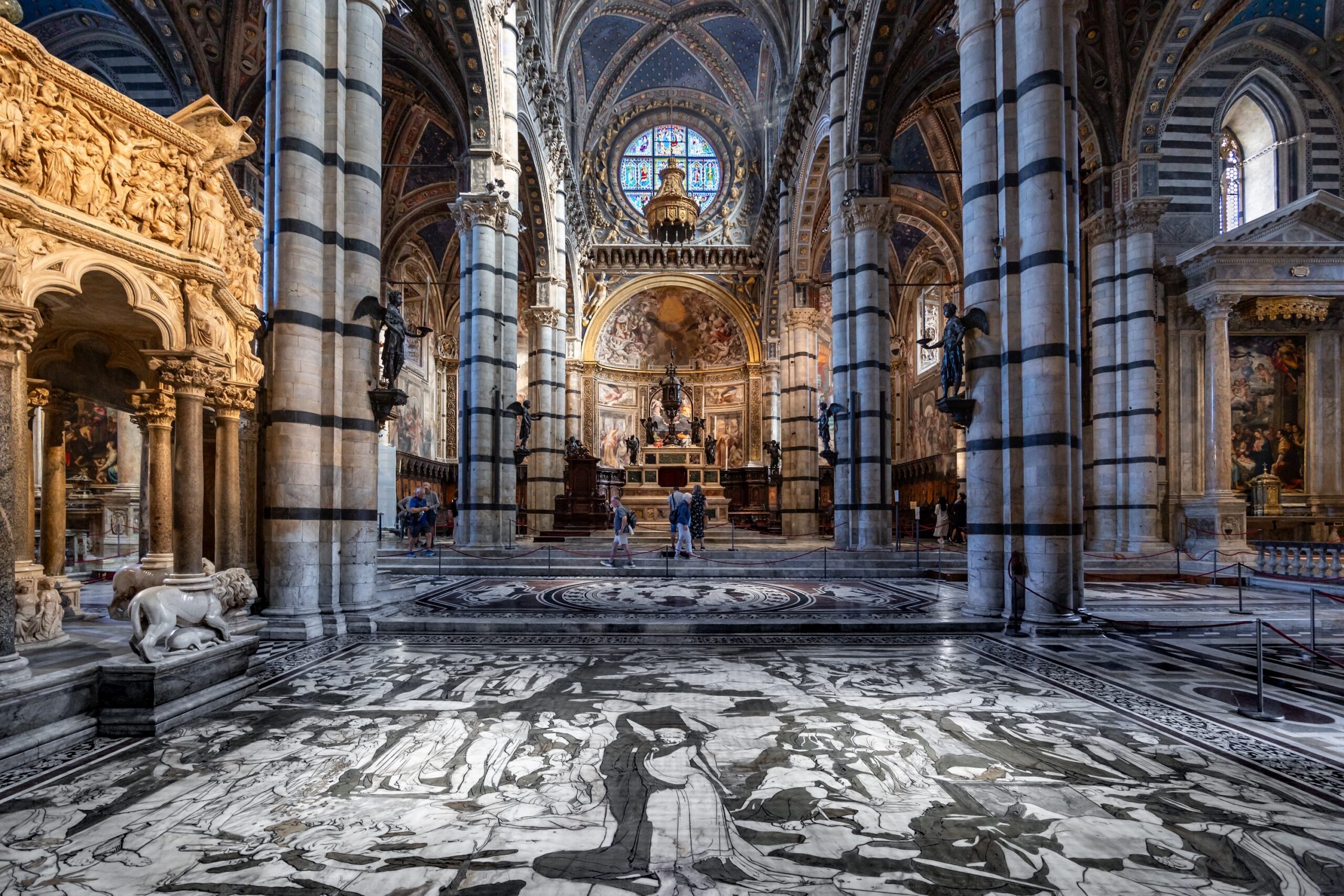
Siena’s cathedral is extraordinary, and it’s not always given the time it deserves. The black and white marble striping on the facade is striking from the outside, but the interior is where it gets genuinely remarkable, a floor of inlaid marble panels, each one a different scene, covering the entire nave. Many are covered to protect them and revealed only at certain times of year, which means what you see depends entirely on when you visit.
Nearby, the Museo dell’Opera del Duomo holds works that were removed from the cathedral for preservation, including Duccio’s Maestà, a masterpiece of Sienese painting that most visitors walk straight past on their way to Florence.
You need to allow for at least two hours here.
Siena’s Food Scene: Slower, Richer, and Deeply Local
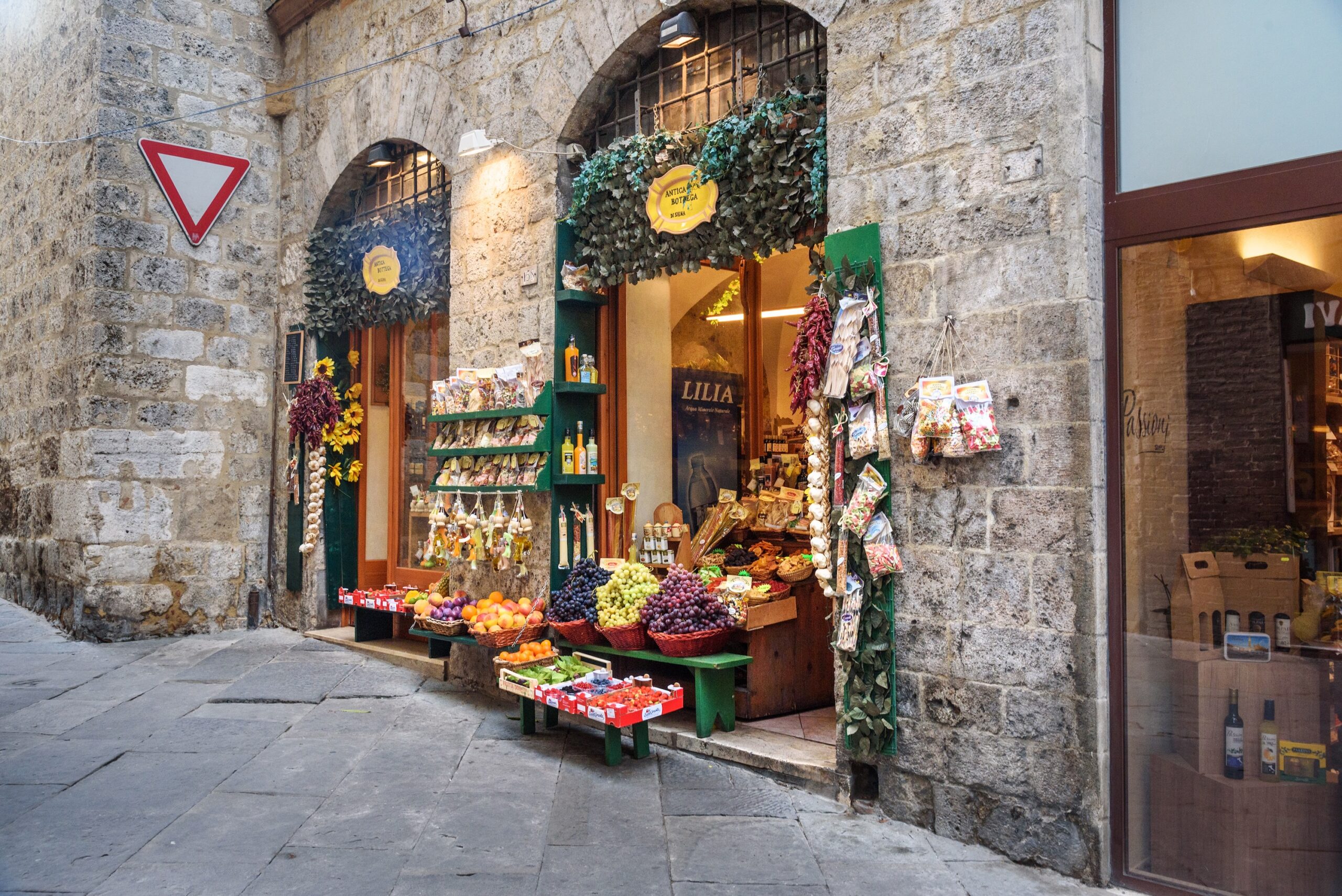
Sienese food is Tuscan in the truest sense, grounded in the land, seasonal, and deeply unpretentious. A few things to seek out:
Pici — thick, hand-rolled pasta, often served with a wild boar ragù or a simple garlic and breadcrumb sauce. It’s comfort food at its best and almost impossible to find done well outside of this region.
Ricciarelli — soft almond biscuits, dusted with powdered sugar. They originate here and the local versions bear no resemblance to the exported imitations.
Brunello and Montepulciano — Siena sits at the center of some of Tuscany’s finest wine country. Even in the city itself, the wine lists reflect this proximity.
Eat away from the piazza. The best meals in Siena are down the side streets, in places that don’t bother with an English menu outside.
Day Trip from Florence or Stay Overnight?
This is the question every traveler asks, and the honest answer is: it depends on what you want.
Siena is around 75 kilometers from Florence (roughly 90 minutes by bus or by car through the Chianti hills). It’s entirely possible to visit in a day, and many people do.
But Siena rewards staying. The city changes completely after the day-trippers leave. The restaurants fill with locals. The piazza grows quiet. You get to feel what it actually is, rather than what it looks like when it’s full of cameras.
If you’re spending any meaningful time in Tuscany, a night in Siena is truly worth it.
Exploring Siena as Part of a Tuscany Journey
Siena is the natural anchor for a broader Tuscany itinerary. Within an hour’s drive, you have San Gimignano’s towers, the Chianti wine country, Montalcino and its Brunello vineyards, and the hill towns of the Val d’Orcia, one of the most photographed landscapes in Italy and a UNESCO World Heritage Site.
This is exactly the kind of journey that benefits from local expertise. The logistics of moving between Siena, the hill towns, and the Chianti estates involve choices that aren’t obvious from a map — which route takes you through the best scenery, which producer is worth stopping at, which villages are worth the detour and which are best skipped.
Our Tuscany private tours are designed for exactly this. A licensed local guide, a carefully planned itinerary, and complete flexibility to move at your own pace through one of Italy’s most beautiful regions. Siena is always at the heart of it.
Enquire about a private Tuscany tour
Practical Information
Getting there: Siena is not on the main rail network — the most direct train from Florence goes via Empoli and takes around 90 minutes to 2 hours. Buses (SENA/Flixbus) run regularly from Florence and are often faster and more convenient. By car, the SS2 Cassia road or the Siena-Firenze superstrada both connect the cities.
Getting around: Siena’s historic center is closed to most traffic and genuinely walkable — though the hills mean you will climb. Comfortable shoes are not optional.
When to visit: Spring (April–June) and fall (September–October) offer the best combination of manageable crowds and good weather. July and August are hot and busy. If you’re there in late June or mid-August, the Palio is an extraordinary experience — but book accommodation months in advance.
How long to spend: A full day is the minimum to do it justice. Two days allows you to breathe.
Ready to Experience Siena and Tuscany Properly?
Siena is one of those places that reveals itself slowly and the more you know about what you’re looking at, the more you see. Our private guides are based in Tuscany, licensed, and genuinely passionate about this corner of Italy.
Whether you’re planning a day in Siena, a multi-day journey through the hill towns, or a Tuscany itinerary built around food, wine, and landscape we would love to put your trip together for you.
Just tell us about your trip and we’ll take it from there