Planning a one-day walking tour – whether through a historic European city, along a coastal path, or into the heart of a charming old town – is one of the most rewarding ways to travel. Walking slows you down, invites curiosity, and allows you to truly absorb a place. But before you head out, there’s one question that can make or break your day: have you packed well? When it comes to walking tours, practical packing is everything. What you carry in your hand luggage should support your experience, not distract from it. In this guide, we’ll explore how to pack smartly for a one-day walking tour, helping you stay comfortable, prepared, and free to enjoy every step.
Why Is Practical Packing So Important on a Walking Tour?
It’s easy to underestimate how much your bag affects your day. After all, it’s “just one day,” right? But when you’re walking for several hours, stopping frequently, navigating crowds, and adjusting to weather changes, even small inconveniences can feel amplified.
Practical packing allows you to move comfortably and confidently. When your bag is light, organized, and thoughtfully packed, you’re less likely to feel fatigued or frustrated. Instead of digging around for essentials or dealing with sore shoulders, you stay focused on what really matters – the stories, scenery, and moments that make walking tours so special.
What Kind of Bag Works Best?
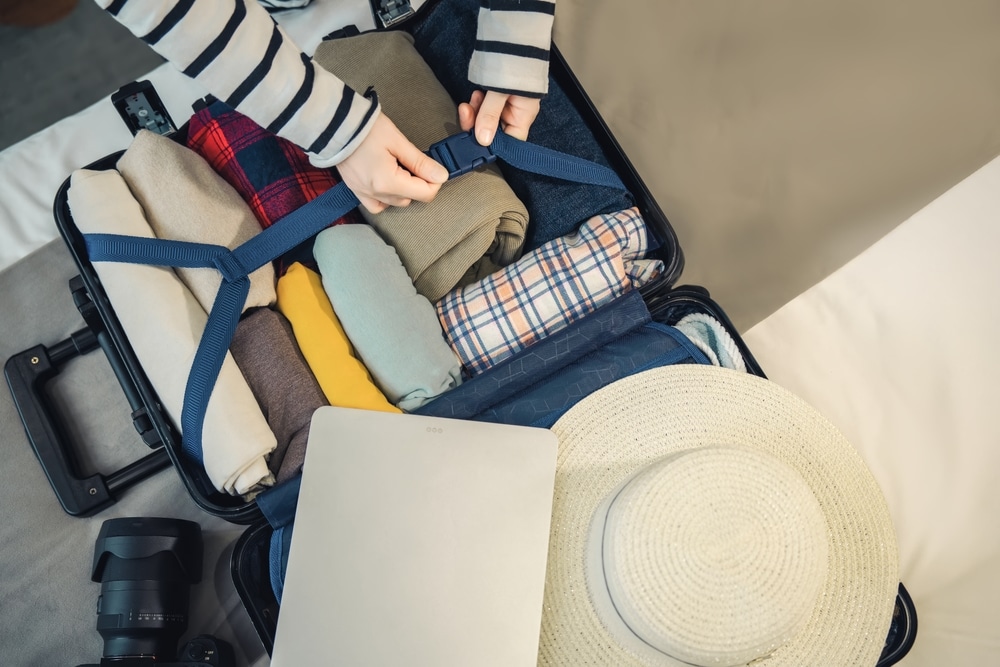
The right bag is the foundation of practical packing. For a one-day walking tour, you don’t need anything large or complicated. In fact, smaller is often better. A compact daypack or comfortable crossbody bag encourages you to pack only what you truly need.
Look for something that sits comfortably against your back, with padded straps and a shape that distributes weight evenly. Multiple compartments are helpful, not to add clutter, but to give everything a place. Ideally, your bag should feel almost unnoticeable after the first hour – a quiet companion rather than a constant reminder on your shoulders.
What Are the True Essentials You’ll Use All Day?
When you think about what to pack, imagine your day unfolding step by step. You’ll start walking, stop to listen to stories, pause for photos, maybe sit for a coffee or snack, then continue exploring. The items you bring should support this rhythm.
Comfortable walking shoes are the real hero here – worn on your feet, not tucked into your bag. Shoes that are already broken in and suited to mixed surfaces make a world of difference, especially on cobblestones or uneven paths.
Hydration is equally important. Carrying a refillable water bottle keeps you energized and focused, especially on warmer days. Many walking routes pass cafés or fountains where you can refill easily, making this a simple but essential part of practical packing.
A small snack can be surprisingly powerful. Walking tends to build up an appetite, and having something light on hand – a granola bar, nuts, or fruit – helps you avoid energy dips between meals.
Your wallet, ID, and payment cards should be safely stored but easy to access. From museum entrances to spontaneous café stops, having these essentials close at hand keeps your day flowing smoothly.
Your phone plays many roles on a walking tour: camera, map, communication tool, and sometimes translator. A fully charged phone – supported by a compact portable charger – ensures you don’t miss moments or directions when you need them most.
Finally, always be ready for the weather. A lightweight rain jacket or foldable umbrella takes up very little space but offers great peace of mind. Even on sunny days, conditions can change quickly, and being prepared means you won’t have to cut your exploration short.
How Can You Organize Your Bag So Nothing Gets Lost?
Practical packing isn’t just about what you bring – it’s about how you pack it. A well-organized bag saves time and reduces stress, especially when you’re on the move.
Think in zones. Items you’ll use frequently, like your phone, wallet, or sunglasses, should be easy to reach without unpacking everything. Things you’ll only need occasionally, such as a rain jacket or first aid items, can sit deeper in the bag.
Using small pouches or zippered pockets helps keep similar items together. Not only does this prevent clutter, but it also means you’ll always know where to find what you need – even while standing in the middle of a busy square or scenic viewpoint.
What Should You Wear to Support Practical Packing?
Your clothing choices are an extension of practical packing. Wearing the right outfit reduces the number of items you need to carry and keeps you comfortable throughout the day.
Layers are your best friend. A breathable base layer paired with a light sweater or jacket allows you to adapt as temperatures change. Comfortable walking trousers or shorts offer flexibility and ease, while moisture-wicking fabrics help keep you fresh.
Accessories matter too. A hat and sunglasses provide protection from the sun, while well-chosen socks help prevent blisters – a small detail that can have a big impact on your enjoyment.
What Can You Leave Behind?
One of the hardest parts of practical packing is resisting the urge to bring “just in case” items. But walking tours reward simplicity.
Heavy books, extra clothing, or bulky electronics often end up unused and only add unnecessary weight. If something doesn’t clearly serve your day’s experience, it’s probably safe to leave it behind. The lighter your bag, the more freedom you’ll feel as you explore.
How Does a Little Preparation Make a Big Difference?
The night before your walking tour is the perfect time to set yourself up for success. Checking the weather forecast helps you decide on layers and rain protection. Laying out your clothes and packing your bag in advance eliminates last-minute stress. Charging your devices and filling your water bottle means you can step out the door ready to go.
This small investment of time transforms your morning and lets you start your tour relaxed and confident.
Are There Any Small Extras Worth Carrying?
While essentials come first, a few thoughtfully chosen extras can elevate your day. Sunscreen protects your skin during long hours outdoors. A tiny first aid kit with blister pads or band-aids can be a lifesaver. Some travelers enjoy carrying a small notebook to jot down moments, names, or reflections along the way. A bit of cash is also useful in places where cards aren’t always accepted.
Each of these items is small, but together they add comfort and reassurance without weighing you down.

How Can You Keep Your Bag Safe All Day?
On walking tours, especially in busy areas, safety matters. Here are practical packing tips to protect your belongings:
- Keep your backpack in front of you in crowded places.
- Use hidden or zippered compartments for valuables.
- Don’t leave your bag unattended — even for a moment.
By staying mindful, you focus more on the experience and less on worrying about your gear.
What’s the Key Takeaway on Practical Packing?
At its heart, practical packing is about intention. It’s choosing items that actively support your experience and letting go of anything that doesn’t. When you pack with care, your bag becomes a tool, not a burden – allowing you to stay present, curious, and comfortable throughout your walking tour.
With the right approach, you’ll spend less time adjusting straps or searching for essentials, and more time soaking in the beauty, history, and atmosphere around you.
What’s the Bottom Line on Practical Packing?
Practical packing isn’t about stuffing everything you own into a backpack. It’s about choosing wisely: bringing what enhances your day, organizing it well, and leaving behind anything that just weighs you down.
When you pack like a pro for your one-day walking tour, the result is comfort, freedom, and room for adventure. You’ll have easy access to essentials, stay prepared for changing conditions, and enjoy every moment of your journey without unnecessary baggage – literally and figuratively!