
In the first part of this guide, we explored some of the most beloved local European markets in Florence, Venice, Burano, and Rome – places where daily life unfolds among fresh produce stalls, fishmongers, and neighborhood conversations. But Europe’s market culture goes far beyond those cities. Across the continent, historic squares, covered market halls, and bustling bazaars continue to shape the rhythm of local life. In this second part, we travel further – from Verona and Bologna to Paris and Istanbul – discovering more markets where food, tradition, and community come together, and where travelers can experience Europe in its most authentic and flavorful form.
Piazza delle Erbe Market, Verona
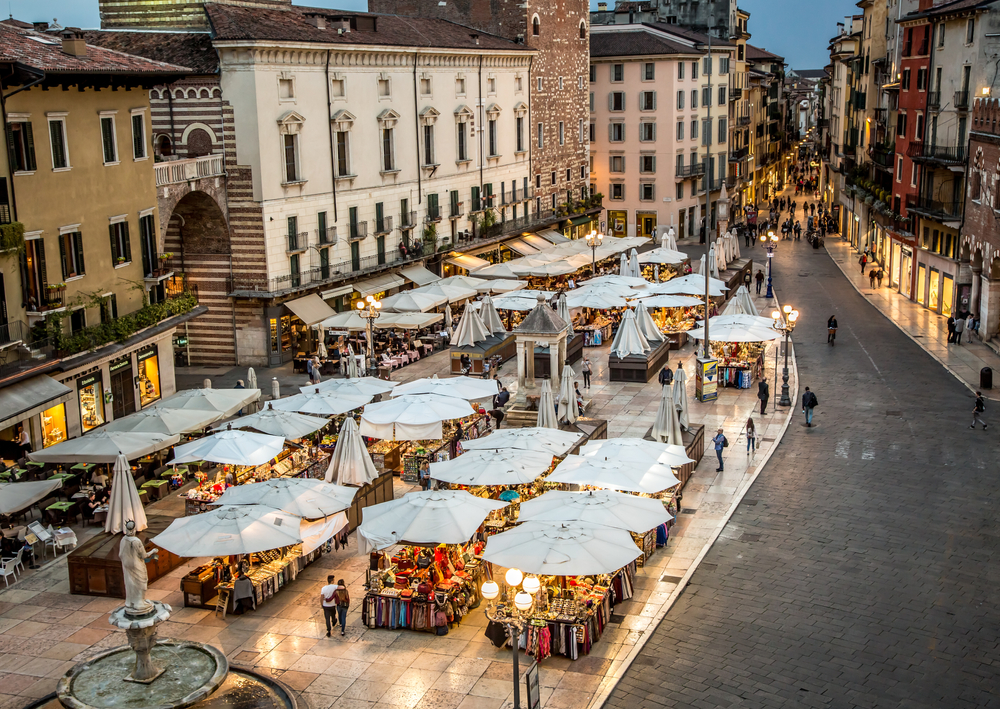
In the heart of Verona’s historic center, Piazza delle Erbe has been a gathering place for merchants and locals since Roman times. Surrounded by frescoed buildings, medieval towers, and café terraces, the square feels like a living postcard — but it’s also a working market that still serves the community today.
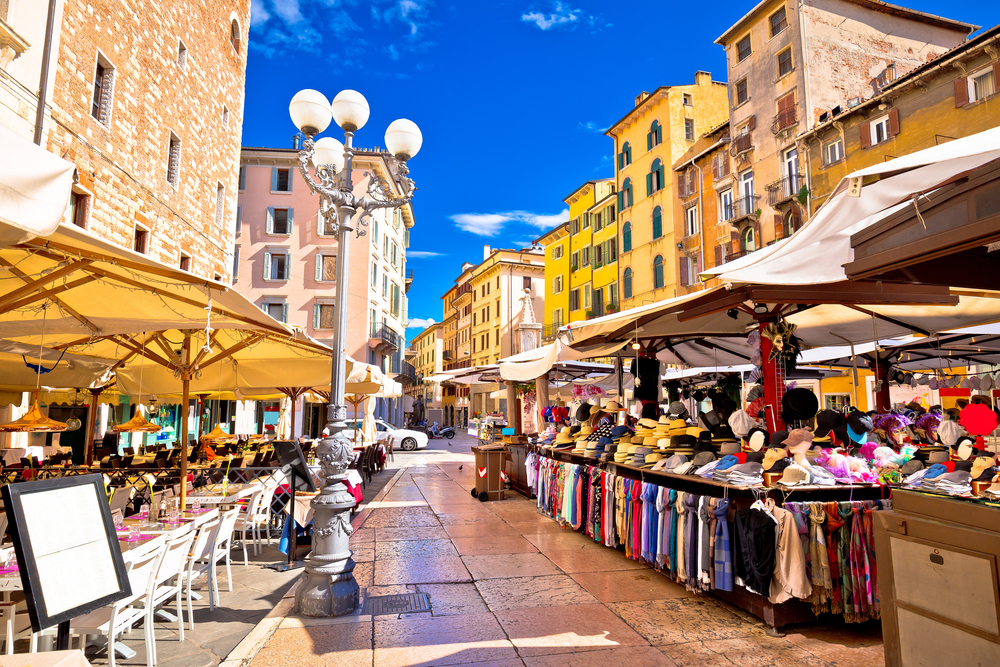
Each morning, colorful stalls appear beneath bright awnings, selling everything from fresh fruit and vegetables to herbs, spices, and souvenirs. Vendors call out prices while locals weave through the stands on their way to nearby bakeries and coffee bars. The atmosphere is lively but relaxed, and the setting itself is breathtaking.
What makes this market special among local European markets is its setting: centuries of history unfolding in a square that has hosted trade for over two thousand years. Visiting early in the day lets you experience the market before the crowds arrive, when Verona still feels wonderfully local.
Ravenna Covered Market
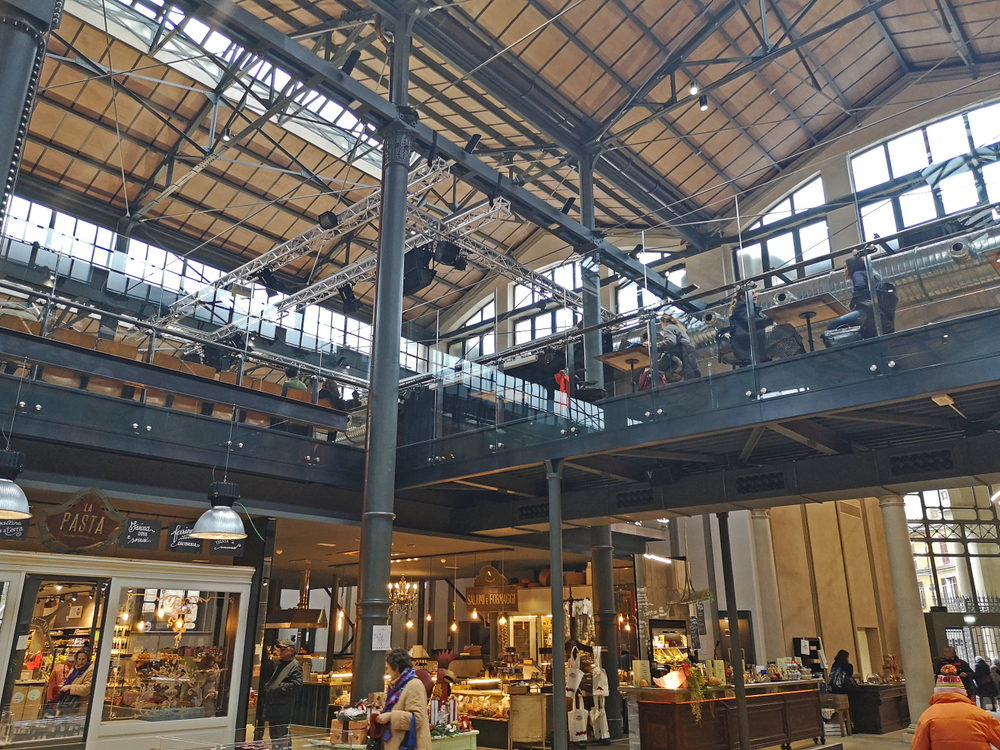
Not every great market takes place outdoors. In Ravenna, the elegant Ravenna Covered Market blends tradition with modern Italian food culture under one historic roof.
Originally built in the early 20th century, the restored market now combines classic produce stalls with contemporary food counters and wine bars. You might see a vendor carefully arranging regional cheeses while a few steps away someone is preparing fresh piadina — the beloved flatbread of Emilia-Romagna.
The space feels bright and welcoming, filled with the aromas of roasted coffee, baked bread, and seasonal produce. Locals stop by for groceries or a quick lunch, while travelers can wander slowly and sample regional specialties.
Among local European markets, Ravenna’s covered market stands out for its balance: historic architecture, local ingredients, and the relaxed pleasure of Italian food culture.
Mercato di Mezzo (Quadrilatero), Bologna
Bologna is often called Italy’s food capital, and nowhere is that reputation more obvious than in the lively Mercato di Mezzo, located in the city’s famous Quadrilatero district.
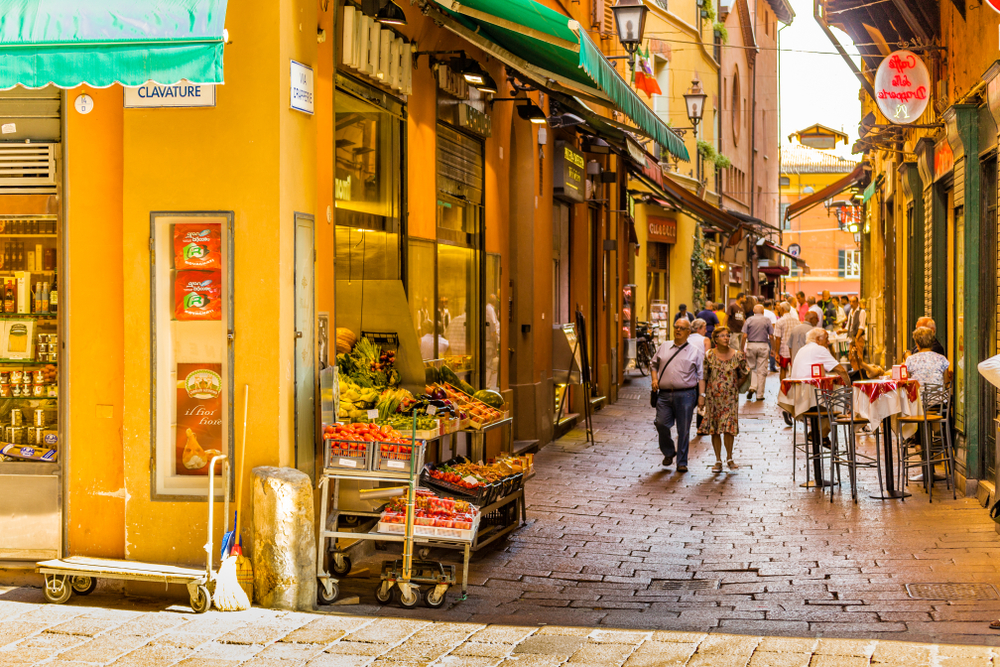
Walking into the market feels like stepping into a celebration of Italian gastronomy. Counters overflow with cured meats, fresh pasta, Parmigiano Reggiano, and golden bottles of olive oil. Overhead, shelves display jars of sauces and preserves, while small eateries serve steaming plates of tagliatelle al ragù.
The Quadrilatero streets surrounding the market have been devoted to food for centuries. Even today, the neighborhood feels like a labyrinth of culinary temptation, where each corner reveals another bakery, deli, or wine bar.
Among local European markets, Mercato di Mezzo offers an especially delicious experience — one where browsing easily turns into an impromptu lunch.
Mercato delle Erbe, Bologna
Just a short walk from Bologna’s main piazzas lies a market that locals truly cherish: Mercato delle Erbe.
This spacious indoor market hall is filled with produce stalls selling vibrant vegetables, fragrant herbs, and seasonal fruits from the Emilia-Romagna countryside. But it’s more than a grocery stop — it’s a social hub where people meet for lunch, share a glass of wine, or grab a quick espresso.
In recent years, a number of small restaurants and wine counters have opened inside the market, creating a lively atmosphere that blends traditional shopping with casual dining. You might arrive planning to browse vegetables and leave having enjoyed fresh tortellini and a glass of Lambrusco.
Among local European markets, Mercato delle Erbe perfectly captures Bologna’s food-loving spirit.
Kadıköy Food Market, Istanbul
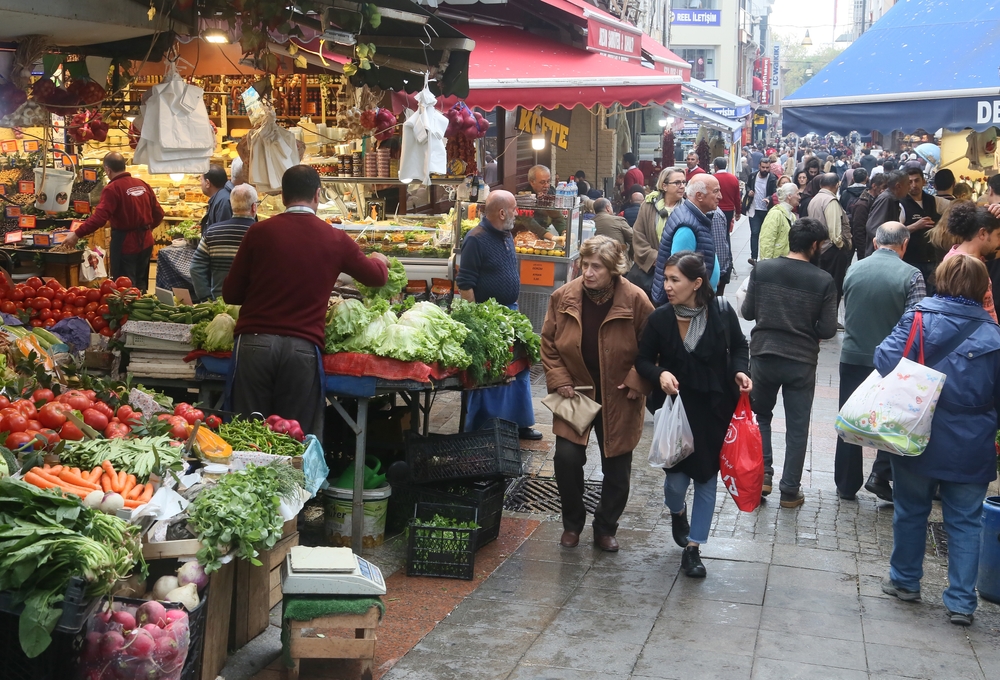
Cross the Bosphorus to Istanbul’s Asian side and you’ll discover one of the city’s most vibrant culinary districts: Kadıköy Market.
The Kadıköy Food Market is less a single square than an entire neighborhood of food stalls, bakeries, fishmongers, spice shops, and delicatessens. The streets buzz with energy as vendors display olives in enormous bowls, baklava glistening with syrup, and pyramids of colorful spices.
What makes this market unforgettable is its variety. Turkish cheeses, freshly roasted coffee, pickled vegetables, seafood from the Marmara Sea — every stall seems to reveal something new.
Locals come here daily, which gives the market a wonderfully authentic feel. Travelers who make the journey across the Bosphorus quickly realize they’ve discovered one of the most exciting local European markets anywhere in the region.
Istanbul Spice Market
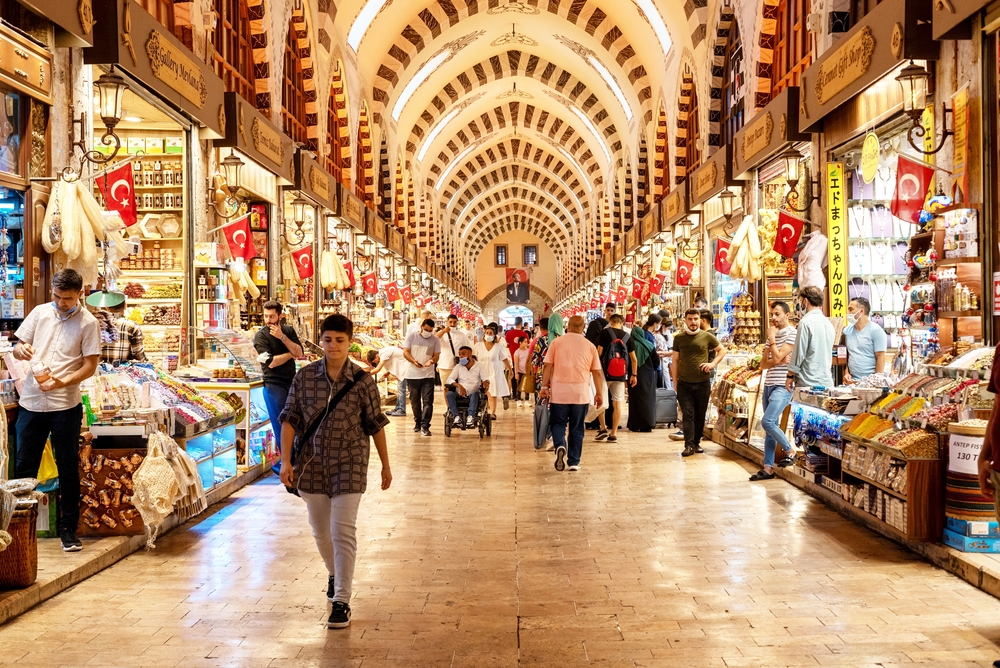
Few places stimulate the senses like the legendary Istanbul Spice Bazaar, often simply called the Spice Market.
Built in the 17th century as part of the New Mosque complex, the covered bazaar has long been a center of the spice trade connecting Europe and Asia. Walking through its vaulted corridors feels like entering a kaleidoscope of color and aroma.
Stalls overflow with saffron, sumac, dried rose petals, pistachios, Turkish delight, and fragrant teas. Vendors scoop spices from large wooden bins while visitors sample sweets and nuts.
Although it attracts travelers from around the world, locals still visit regularly to buy ingredients for home cooking. That blend of history, commerce, and everyday life makes it one of the most fascinating local European markets to explore.
Marché des Enfants Rouges, Paris
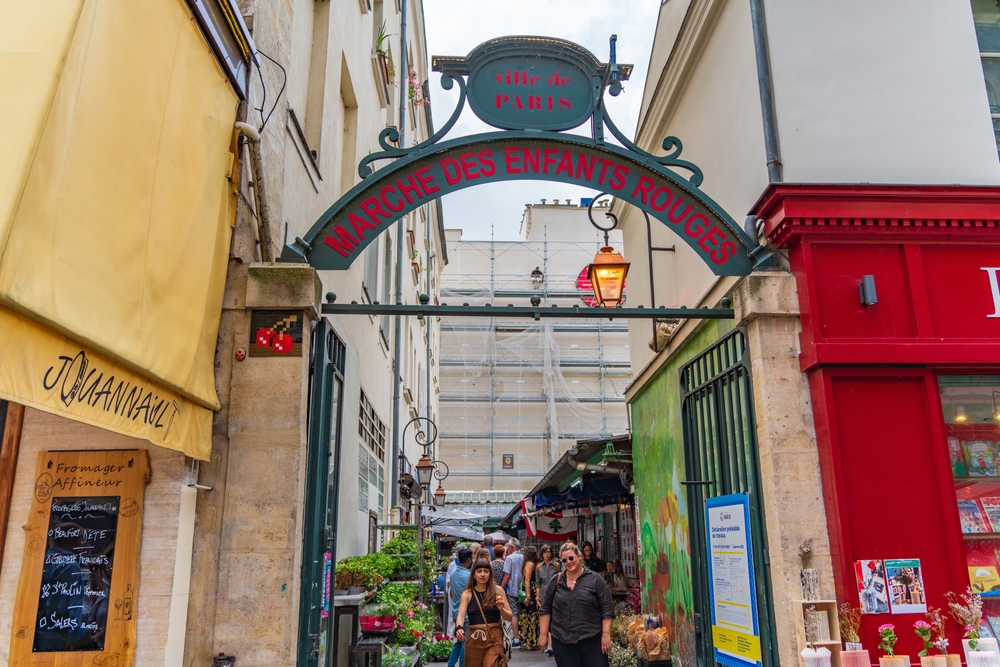
Paris is filled with beautiful food markets, but the oldest — and arguably the most charming — is Marché des Enfants Rouges in the Marais district.
Dating back to 1615, this covered market has evolved into a small culinary village. Traditional produce vendors share space with international food stalls serving Moroccan couscous, Japanese bento, Italian pasta, and classic French dishes.
The name “Children of the Red” refers to a nearby orphanage whose residents wore red uniforms centuries ago. Today the market’s atmosphere is warm and welcoming, with locals and visitors gathering around communal tables for lunch.
Among local European markets, it’s one of the most atmospheric — a perfect place to pause during a day of exploring Paris.
Mercato Trionfale, Rome
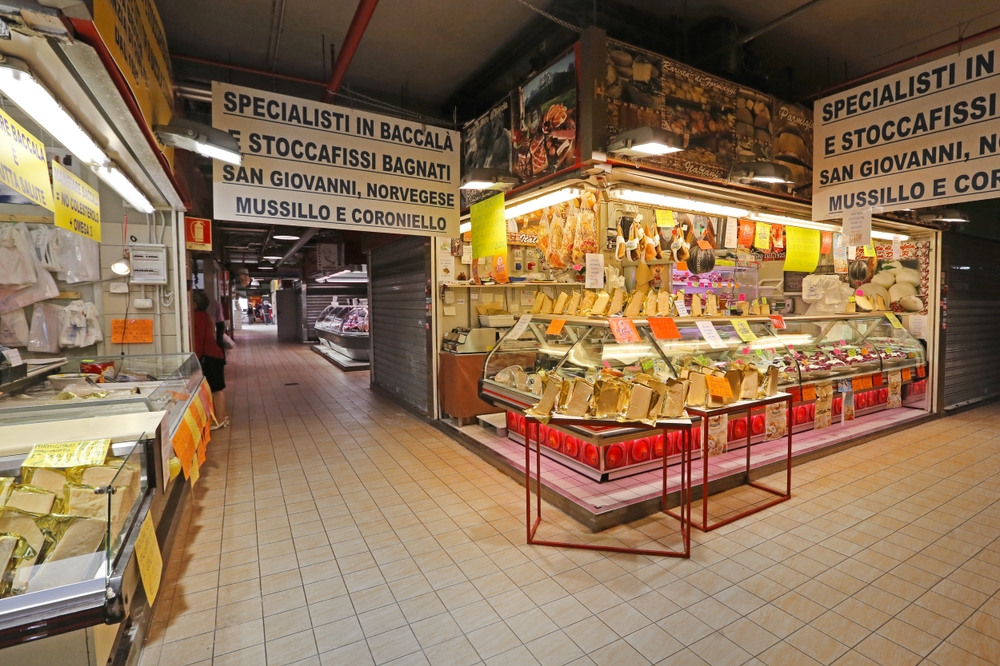
Just a short walk from the Vatican lies one of Rome’s largest and most authentic food markets: Mercato Trionfale.
With more than 200 stalls, the market feels almost like a small city dedicated entirely to food. Vendors sell everything from seasonal vegetables and fresh pasta to porchetta, olives, cheeses, and seafood.
Locals arrive early with shopping bags in hand, greeting vendors they’ve known for years. The conversations are animated, the aisles busy, and the aromas irresistible.
For travelers, visiting Mercato Trionfale offers something rare: a chance to experience Roman daily life away from the monuments and crowds. Among local European markets, it’s one of the best places to see how food truly shapes the rhythm of the city.
Final Thoughts: Discovering Europe Through Its Markets
This brings us to the end of our ultimate guide to local European markets. From the lively food halls of Italy and the historic squares of Verona to the fragrant spice bazaars of Istanbul and the charming covered markets of Paris, these spaces reveal a side of Europe that feels vibrant, authentic, and deeply rooted in tradition. Markets are more than places to shop — they are places where culture, food, and daily life come together.
Whether you’re tasting regional specialties, chatting with vendors, or simply soaking in the atmosphere, visiting a local market is one of the most rewarding ways to experience a destination. Wherever your travels take you next, make time to wander through a market — you may just discover that it becomes one of the most memorable moments of your journey.