For most visitors, Verona is just one single evening and it’s done. You arrive in the late afternoon, find a seat inside the Arena, watch the opera under the stars, and leave the next morning thinking you’ve seen the city. But that’s only a very small part of it…
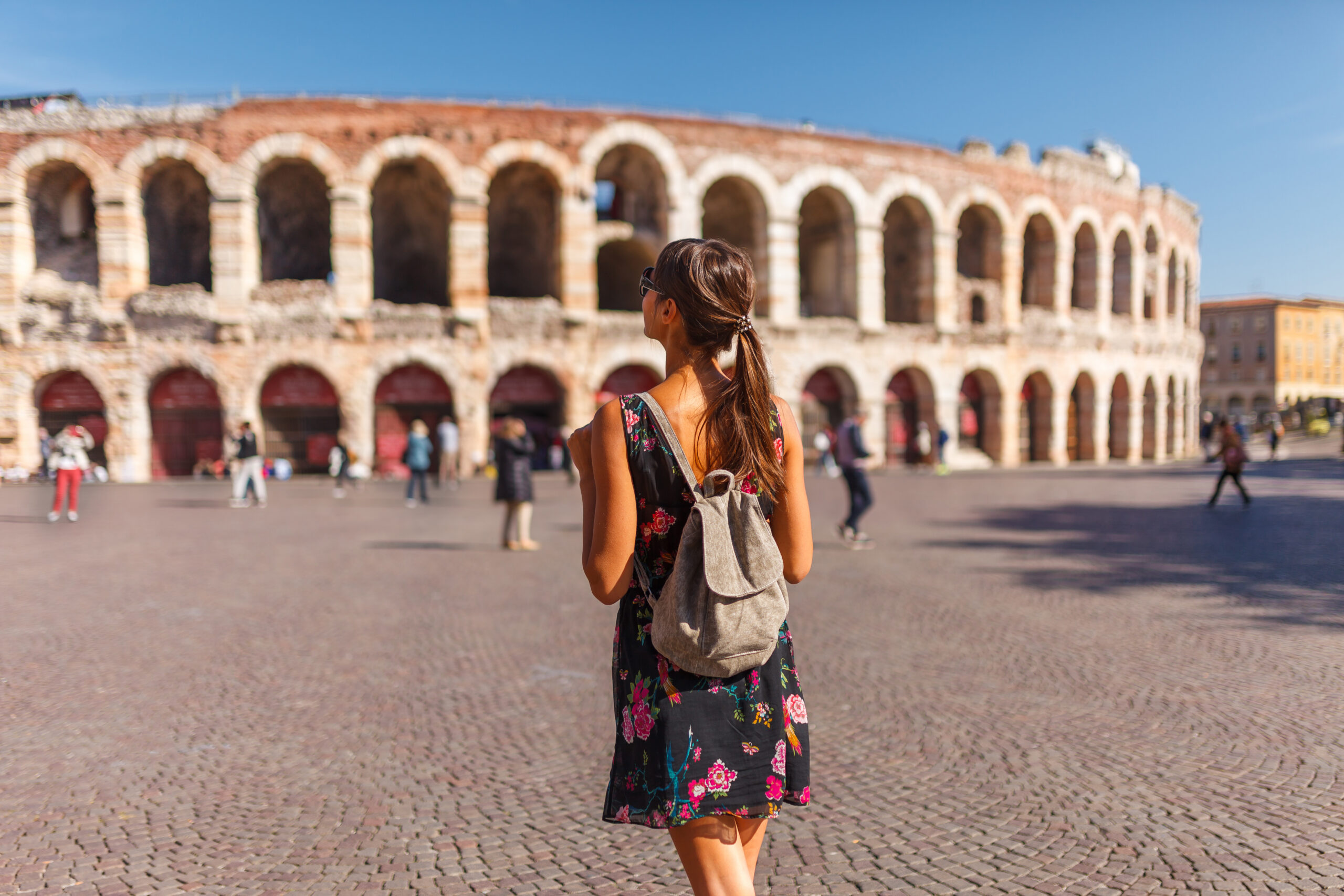
The Arena di Verona has hosted its open-air opera festival every summer since 1913, and it remains one of the most extraordinary settings in the world to hear live opera. A nearly 2,000-year-old Roman amphitheater, thousands of candlelit seats, and productions built on a scale no indoor opera house could manage. It’s on people’s bucket-list as a way to spend an evening. But there is so much more to experience in Verona.
Arrive Early
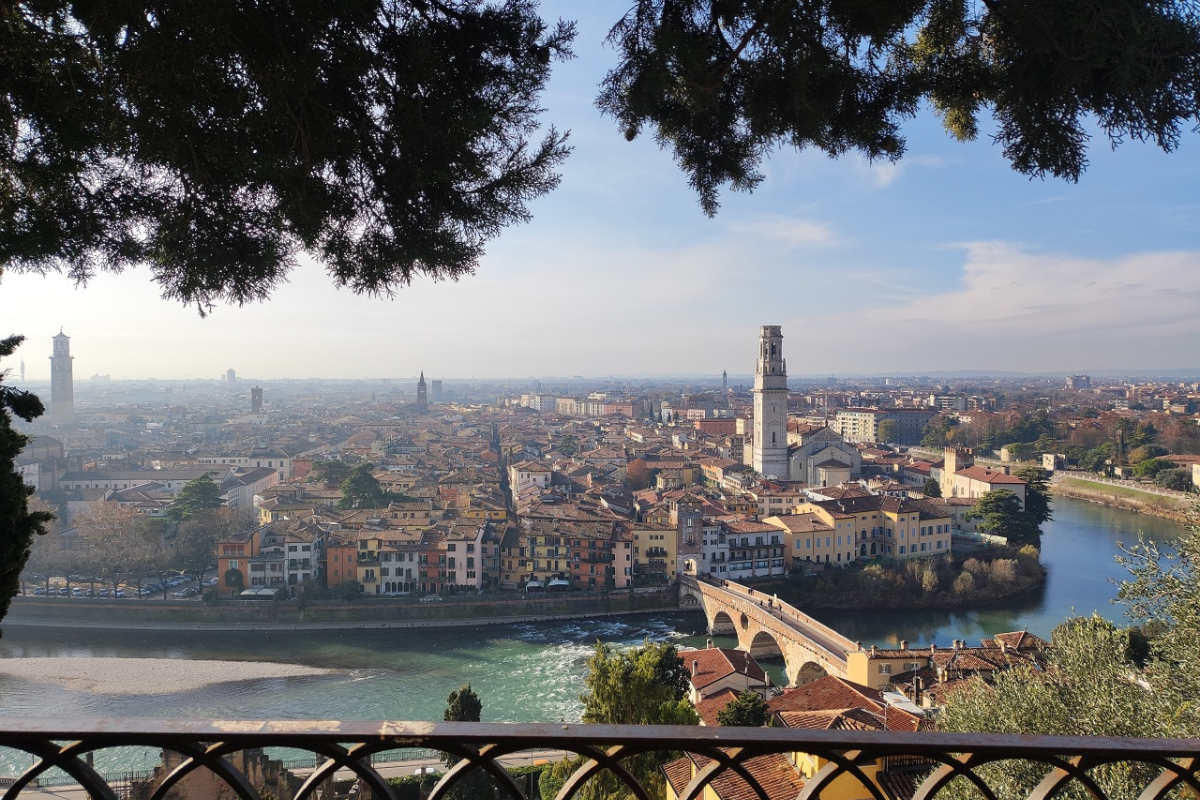
Verona rewards a slow arrival. Spend the day before your performance walking the historic center: the medieval streets radiating out from Piazza Bra, the Roman Stone Bridge over the Adige River, the quiet courtyards just off the main squares that most day-trippers never find. Climb to Castel San Pietro (on foot or by cable car) for a spectacular view over the city’s red rooftops that puts the evening’s opera into context.
Walk the Arena Before You Sit in It
The Arena itself deserves daylight attention, not just an evening ticket. Stepping inside with a guide who can explain its construction, its history as a venue for gladiatorial contests, and how it was adapted for opera changes what you’re looking at once the lights go down. It’s the difference between admiring the architecture and understanding it.
Verona: Small Group Tour with Arena & Optional Juliet Tickets covers exactly this. Pre-reserved entry into the Arena with a local guide, then a cable car ride up to Saint Peter Hill for the view over the city, with the walk back down on foot. It’s the natural way to prepare for an evening at the opera festival, rather than seeing the Arena for the first time as you find your seat.
See the Rest of the City
Verona has more than the Arena and Juliet’s Balcony. The medieval lanes near Piazza delle Erbe, the Della Scala tombs, the Roman Theatre across the river, these are a full day of walking on their own, and most opera-goers never get to them.
Verona: City Walking Tour with Cable Car Ride & Wine Aperitif is built for this. It moves through Bra Square, the medieval center, and the Stone Bridge, rides the cable car up to Saint Peter Hill, and ends with a wine aperitif back in the square, a good way to spend the afternoon before an evening performance, or a full day either side of it.
The Takeaway
The opera festival is reason enough to visit Verona. But it’s the reason to visit properly — not the whole visit. Arrive a day early, walk the city with someone who knows it, and let the evening at the Arena be the highlight of a trip rather than the entirety of it.
Frequently Asked Questions
When is the Arena di Verona Opera Festival?
Every summer, typically mid-June through early September, staged in the open-air Roman amphitheater in Piazza Bra.
Do you offer an opera tour or opera tickets?
No, we don’t sell opera tickets or run opera-specific tours. We offer a guided daytime visit inside the Arena, plus a city walking tour, both suited to the day before or after a performance.
How much time should I spend in Verona if I’m going to the opera?
At least one full day beyond the evening performance. The Arena in daylight, the historic center, and Saint Peter Hill are all missed by visitors who come just for the show.
Is the Arena open to visit during the day, even with an evening performance scheduled?
Yes, daytime access is separate from evening performances, though hours can shift around rehearsals — a guide is the easiest way to confirm access on the day.
What else is there to do in Verona besides the Arena and Juliet’s Balcony?
Piazza delle Erbe, the Roman Stone Bridge, the Della Scala tombs, and the view from Saint Peter Hill (by cable car) are all within walking distance of the center.